 ChatGPT
 Perplexity
 Google AI
 Grok
Read Our Article
The Growing Popularity of URS and RIRS for Treating Complex Kidney Stones in Pediatric Patients
In this article
Summarise with AI
Lifestyle Changes to Prevent Kidney Stones After Removal
Your goal after stone treatment is simple: support healing, reduce the chances of stones forming again and make everyday habits work in your favor without turning life into a strict rulebook. This guide focuses on practical, sustainable lifestyle changes you can start soon after kidney stone removal surgery, especially if your stone was treated through modern approaches such as kidney stone ureteroscopy or related techniques.

Kidney Stone Removal Surgery: Why Prevention Matters After Treatment
Going through a procedure is a big step, but it’s not the finish line. Stones can return when the underlying causes remain in place. That doesn’t mean you did anything “wrong.” Kidney stones often form from a mix of factors such as hydration patterns, food choices, genetics, climate, gut health and how your body handles minerals. Even stress and sleep can indirectly influence routines that affect stone risk.
After kidney stone removal, many people feel immediate relief and assume the problem is solved for good. The truth is that surgery removes the existing stone, but it doesn’t automatically change the urine chemistry that allowed it to form. That’s why prevention is about reshaping daily inputs – what you drink, how you eat, how you move and how consistently you follow up – so your kidneys have fewer opportunities to collect and crystallize stone-forming material.
If you underwent kidney stone removal by surgery or a minimal invasive procedure, your clinician may recommend urine testing, stone analysis or diet adjustments. These suggestions aren’t generic advice; they’re often tied to your specific stone type. Even when stone composition isn’t confirmed, the lifestyle foundations below are widely recommended because they address the most common drivers of recurrence – concentrated urine, excess sodium, imbalanced calcium handling and metabolic strain.
Kidney Stone Removal Process: What to Prioritize Once the Stone is Gone?
The kidney stone removal process can look different from person to person. Some stones pass naturally, while others require intervention. In hospital settings, common approaches may include endoscopic techniques, fragmentation or stent placement to keep urine flowing. If you had ureteroscopy stone removal, you may have experienced temporary urinary symptoms, mild discomfort or medication instructions meant to reduce irritation and prevent infection.
The most important post-treatment mindset is to treat prevention like a gentle reset rather than a harsh restriction. The weeks after treatment are an ideal time to build routines because you’re already paying attention to your body, scheduling follow-ups and thinking about long-term comfort.
Some stones are strongly linked to low fluid intake and high salt intake. Others may be tied to oxalate-rich diets, frequent dehydration, digestive conditions, recurrent infections or metabolic concerns. This is why a one-size-fits-all plan can be frustrating. Still, a handful of lifestyle shifts consistently lower risk across many profiles – especially when done steadily, not perfectly.
Kidney Stone Removal Recovery: Build a Hydration Rhythm That Actually Sticks
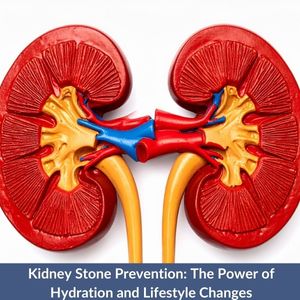
Hydration is the most reliable cornerstone of prevention, but the key is consistency rather than occasional bursts of water. After kidney stone removal recovery begins, many people drink more for a few days and then drift back to old patterns. Kidneys respond best to steady dilution throughout the day because concentrated urine makes it easier for minerals to bind and crystallize.
Start by spreading fluids across your morning, afternoon and evening so your kidneys aren’t stuck processing long dry gaps. If you struggle to remember, pair drinking with habits you already have – after brushing, after meals, after meetings and after commuting. The goal is to avoid letting thirst become your main signal, because thirst often shows up late.
Also, make your hydration kidney-friendly. Plain water is your best default. If you enjoy flavor, choose options that don’t quietly add excess sugar or sodium. For many people, citrus-based drinks can be helpful because citrate may reduce crystal formation, but it’s still wise to keep choices simple and avoid turning every beverage into a health project. If you sweat heavily or live in a hot climate, you may need to be more mindful, since fluid loss can concentrate urine faster than you expect.
A practical way to self-check is to notice urine appearance over time. When urine looks consistently deep or strong-smelling, it may be a sign your body needs more fluid. If you had a stent or irritation after kidney stone ureteroscopic stone removal, your doctor may also recommend specific fluids or timing – follow that guidance closely, especially early on.
Our Other Surgery Treatment
Prostate Cancer SurgeryKidney Stone Removal: Eat For Balance, Not Restriction
Food advice after stones can become confusing quickly, especially when people start removing entire food groups. A better approach is balancing minerals and reducing the dietary patterns that push urine chemistry toward stone formation. After kidney stone removal, many patients benefit from focusing on meals built around whole foods, stable portions and predictable routines.
One common misconception is avoiding calcium completely. For many stone types, dietary calcium from food can actually help by binding certain compounds in the gut, reducing the amount that reaches the kidneys. The bigger issue is often imbalance – too much sodium, too many ultra-processed foods or a diet that swings between extremes. Aim for steady, food-based calcium sources as advised by your clinician and be cautious with supplements unless they’re specifically recommended.
Protein is another area where balance matters. Very high intake of animal protein may increase certain stone risks in susceptible individuals, while too little protein can make meals hard to sustain. A practical middle ground is varying protein sources and emphasizing plant-forward meals more often.
What Our Patients Are Saying
"Dr Ramani is excellent not only as a best doctor but also a genuine and compassionate human being. He gives the kind of confidence with his immense experience over the years which is a life saver in a true sense. I say it from my personal experience that he is as good as it gets.its because of him it’s normal life and work."
Tanmoy Ganguli
Stone Removal Surgery: Reduce Hidden Salt and Ultra-Processed Habits
If you want one dietary change that punches above its weight, it’s reducing sodium. High salt intake can increase calcium in the urine for many people, creating a friendlier environment for stones to form. After stone removal surgery, this becomes especially important because it’s a modifiable factor with a clear connection to recurrence risk.
Salt sneaks in through packaged snacks, instant foods, restaurant meals, sauces, pickles and healthy processed items that don’t taste salty at first bite. Instead of only avoiding the salt shaker, focus on reducing the frequency of ultra-processed meals and choosing simpler ingredients more often. When you cook, you can rely on acids, herbs, spices, aromatics and texture to make food satisfying without leaning on salt.
Another helpful mindset is thinking in swaps rather than strict bans. If you love savory flavors, try rotating in home-made versions of your favorites or choosing lower-sodium alternatives when available. Reading labels can help, but you don’t have to become obsessive. Even small, repeated reductions can shift urine chemistry in your favor.
This change also supports blood pressure and metabolic health, both of which influence kidney function over time. In other words, lower sodium isn’t just about stones – it’s kidney support in a broader sense, which matters after any surgery for stone removal.
Kidney Stone Removal by Surgery: Move Daily and Protect Your Metabolism
Physical activity doesn’t just help with weight. It supports insulin sensitivity, reduces inflammation, improves circulation and encourages healthier hydration and meal patterns – all of which can affect stone risk indirectly. After kidney stone removal by surgery, movement also supports recovery by improving comfort, digestion and energy, as long as you follow post-procedure restrictions.
Gentle walking, light mobility routines and gradual strength work can make a meaningful difference over time. If you sit for long hours, adding small movement breaks can help you stay in tune with thirst cues and reduce the tendency to catch up on water late in the day.
Metabolic factors matter because some stone types are associated with insulin resistance and broader metabolic strain. Lifestyle patterns that stabilize blood sugar – balanced meals, reduced sugary drinks and regular movement – often support stone prevention as a side benefit. Sleep is part of this too. Poor sleep can push cravings toward salty, processed foods and disrupt hydration routines. A stable sleep schedule isn’t usually labeled as stone prevention, but it often helps people maintain the habits that truly prevent stones.
If your procedure involved ureteroscopy stone removal, you may have had short-term discomfort that made you hesitant to move. Start gently, listen to your body and stick to medical advice – but don’t underestimate the value of returning to regular activity once you’re cleared.
Our Other Surgery Treatment
Kidney Cancer SurgeryKidney Stone Ureteroscopic Stone Removal: Follow-Up Habits That Keep You Stone-Free
Lifestyle changes work best when they’re guided by feedback. After kidney stone ureteroscopic stone removal, follow-up appointments, lab checks and stone analysis can help your clinician tailor advice to your specific risk factors. This is where prevention becomes precise rather than generic.
If you’re asked to do urine testing, it’s not busywork – it’s a map of what your kidneys are doing over time. Results may suggest you need more citrate support, different meal timing, better hydration distribution or targeted dietary shifts. Some people benefit from medications that reduce recurrence risk, depending on stone type and underlying conditions. If medication is prescribed, take it consistently and discuss side effects rather than stopping abruptly.
People often ask about kidney stone removal cost in India while deciding how to manage recurrence and follow-up care. While cost is a valid concern, prevention is often the most cost-effective strategy long term because it can reduce the chance of repeat procedures, imaging and time lost to pain episodes. If you’re planning care, talk to your provider about follow-up options, testing frequency and preventive guidance that fits your situation.

Conclusion:
Preventing kidney stones after treatment isn’t about living in fear of food lists or turning hydration into a full-time job. It’s about stacking a few smart habits – steady hydration, balanced meals, lower sodium patterns, regular movement and consistent follow-up – so your kidneys spend more time flushing smoothly and less time collecting crystal-building ingredients. When these changes are realistic and routine, they don’t feel like rules. And that’s the best place to be after kidney stone removal by surgery or any stone intervention: confident, informed and set up to reduce the odds of going through it again.
FAQs About Kidney Stone Removal Surgery
How soon can lifestyle changes start after kidney stone removal surgery?
Most changes can begin gently during recovery, but follow your clinician’s instructions for timing and restrictions.
Does ureteroscopy stone removal change the prevention plan?
The prevention basics stay similar, but follow-up and short-term recovery guidance may differ based on your procedure details.
Is drinking more water always enough to prevent stones?
Hydration is essential, but diet, sodium intake and follow-up testing often determine long-term success.
Can diet alone prevent kidney stone removal by surgery from being needed again?
Diet helps a lot, but prevention is strongest when combined with hydration, movement and medical follow-up.
Why do doctors recommend urine tests after kidney stone ureteroscopic stone removal?
Testing shows what’s driving stone risk in your body, allowing prevention steps to be more targeted and effective.

Uro-Oncological & Robotic Surgeon
Dr. Anup Ramani is a robotic uro-oncological surgeon and an internationally recognized expert in robotic surgery for prostate, kidney and urinary bladder cancers. With more than two decades of robotic experience and 2,000+ robotic procedures, he brings unmatched precision and outcomes to complex uro-oncology cases. He is widely published in his field and is known for a personal, transparent approach-often spending over an hour in initial consultations to educate patients on its disease, surgery and recovery. His expertise spans prostate cancer treatment, kidney and bladder cancer surgery, adrenal gland surgery, kidney stone treatment, penile cancer surgery and enlarged prostate management. Dr. Ramani advocates the advantages of robotic surgery-magnified 3D vision, tremor-filtered precision, minimal scarring, lower blood loss and faster recovery-helping patients return to life sooner.
This article is for general information and is not a substitute for medical advice. Treatment decisions need a consultation with your doctor.