
How Prostate MRI Findings Help Plan Robotic Prostate Cancer Surgery

Key takeaways

  • A prostate MRI shows where the tumour sits within the gland and whether it may lie close to the edge.
  • MRI findings are considered together with the biopsy, PSA result and prostate examination.
  • Tumour proximity to the neurovascular bundles guides how nerve preservation is planned.
  • Suspected extension beyond the prostate can change what the surgeon needs to remove.
  • Bring the original MRI images, biopsy report, PSA results and any CT reports to the consultation.
Share
Summarise with AI

AI Summary: Before robotic prostate cancer surgery, a prostate MRI shows where the tumour sits and whether it may reach beyond the gland or lie close to the nerves. Considered together with the biopsy, PSA result and prostate examination, these findings help the surgeon plan the most suitable operation, including the approach to nerve preservation.

Understanding Prostate MRI Findings Before Robotic Prostate Cancer Surgery

If you are preparing for robotic prostate cancer surgery, also called robotic radical prostatectomy, your MRI report may describe where the tumour lies and how close it is to the edge of the gland. These prostate MRI findings help the surgeon plan the operation. This guide from Dr. Anup Ramani explains what that information means, so you can follow the discussion at your consultation and confirm what matters for your own operation.

Prostate MRI Before Surgery: Tumour Location

A prostate MRI before surgery shows the surgeon where the suspicious area lies within the gland. Tumour location on prostate MRI tells the surgeon which side and which part of the prostate the cancer is concentrated in, and whether it sits well inside the gland or close to its edge. This becomes the starting point for planning the operation.

Suspected Extension Beyond the Prostate on MRI

The report may also comment on suspected extension beyond the prostate, meaning signs that the cancer may have grown into the surrounding tissue. Cancer confined to the prostate and cancer that may have spread into nearby tissue are planned differently. If surgery is recommended, suspected growth into nearby tissue can affect what the surgeon needs to remove.

Nerve Sparing Prostate Surgery: How Tumour Location Guides the Plan

Nerve sparing prostate surgery aims to remove the prostate while preserving the neurovascular bundles, the nerve bundles near the prostate that are involved in erections. This is why proximity to the nerves matters when planning a robotic prostatectomy. A tumour lying away from these nerves gives the surgeon more room to plan their preservation. Where the tumour lies closer to the nerves, the surgeon tailors the plan to give priority to complete removal of the cancer. The approach is personalised for each patient, taking into account the stage of the cancer and the patient’s age, general health and anatomy.

Prostate Cancer Surgical Planning: MRI, Biopsy and PSA

In prostate cancer surgical planning, Dr. Ramani considers the MRI alongside the biopsy, PSA result and prostate examination. Together, these findings help shape the right plan for robotic prostate cancer surgery, including the approach to nerve preservation. Each test adds a different piece of information, and reviewing them side by side gives a complete picture of your cancer before the operation is planned. Your prostate biopsy report is explained in more detail in Dr. Ramani’s separate guide.

Test What it contributes to planning
Prostate MRI Helps assess tumour location and extent
CT scan Imaging that helps determine the stage of the cancer
Prostate biopsy Confirms cancer and shows how aggressive it is
PSA test Blood test considered alongside the examination, biopsy and imaging
Digital rectal examination What the surgeon can feel of the prostate

What to Bring to a Robotic Radical Prostatectomy Consultation

Bringing complete records allows Dr. Ramani to review your findings together in one consultation. Original MRI images are especially useful, as they show more detail than the written report alone. Keep the following ready for your appointment:

  • MRI report and the original images, on a disc or download link
  • Prostate biopsy report
  • Recent and earlier PSA results
  • Any CT or other scan reports

Dr. Anup Ramani: Robotic Radical Prostatectomy Planning in Mumbai

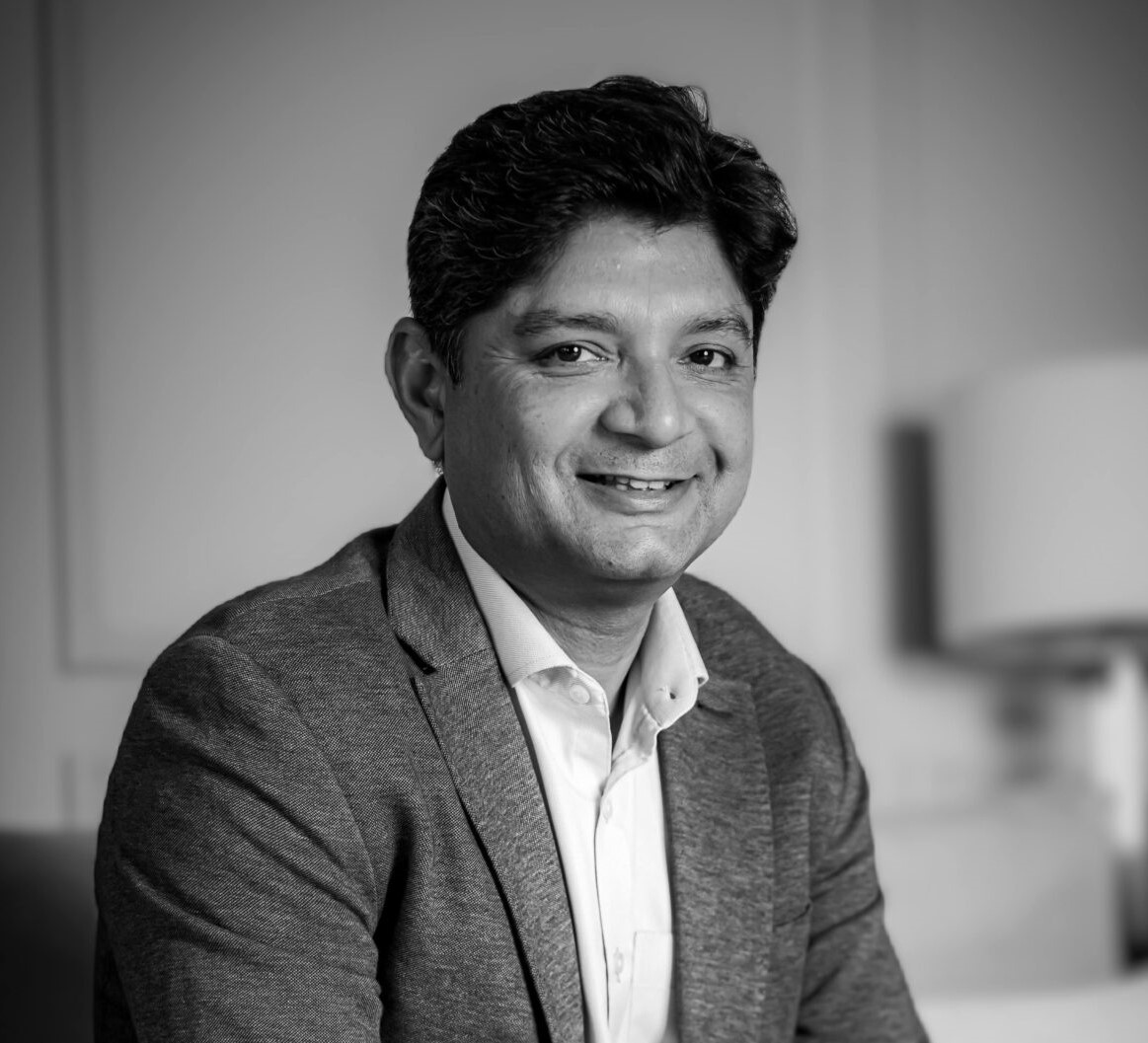
Dr. Anup Ramani is a robotic uro oncological surgeon with more than two decades of robotic experience and over 2,000 robotic procedures. He performs robotic radical prostatectomy using the da Vinci system. Patients seeking robotic radical prostatectomy in Mumbai can consult him at his Worli clinic.

Conclusion: Preparing for Robotic Prostate Cancer Surgery

Each finding on your MRI report plays its own part in planning your surgery. At your consultation, confirm with your surgeon which finding on your MRI matters most for the operation being recommended for you, and how that finding could affect the plan to preserve the nerves on each side.

FAQs on Prostate MRI and Robotic Prostate Cancer Surgery

1. When is the pathology report available after robotic radical prostatectomy?

All removed tissue is sent for histopathological examination, and the report is usually ready about two weeks after surgery. Dr. Ramani discusses the report with each patient and explains the next steps in their care.

2. Does the extent of nerve sparing affect recovery after surgery?

Recovery of erections and urinary control varies from patient to patient, and the extent of nerve preservation is one of several factors involved. Dr. Ramani’s team may recommend pelvic floor exercises, and the team’s andrologist offers dedicated support for sexual health recovery. Details on the operation, hospital stay and return to activity are covered in Dr. Ramani’s prostate cancer surgery service.

3. How does the robotic approach help with nerve sparing?

The robotic system’s high definition camera and fine instruments give the surgeon a clear, magnified view of the prostate and surrounding structures. This precision helps the surgeon work carefully around the neurovascular bundles while focusing on complete removal of the cancer.

4. Can I consult Dr. Ramani if I live outside Mumbai?

Yes. Outstation and international patients can consult Dr. Ramani, and after discharge, a doctor from the surgical team visits the patient at their home or hotel room once every day. Outstation patients are later counselled on the pathology report through a phone consultation.

5. How can I arrange a consultation with Dr. Ramani?

To arrange a consultation, call or WhatsApp Dr. Ramani’s team on +91 9967666060, or email mumbairoboticsurgeon@gmail.com. Confirm with the team how to share your MRI and biopsy reports before the appointment.
This article is for general information and is not a substitute for medical advice. Treatment decisions need a consultation with your doctor.


Next step

Speak to the clinic about your treatment options

  • Second opinions and treatment planning
  • Robotic surgery for urological cancers
  • Help for international patients

Request a call back

Leave your details and the clinic will contact you.

    What do you need help with?
    I am contacting from

    Your details are used only to respond to your enquiry. For emergencies, please contact your nearest hospital.

    PARTIAL PENECTOMY
    • Partial penectomy is done in cases where glans and distal penis is involved with carcinoma. 
    • Partial penectomy is a type of organ-preserving surgery. Preservation of sexual and micturational function depends on the surgical dissection and reconstruction of residual urethra.
    Kidney Stone Removal
    • Patients who develop stones in the kidney or ureter, often experience severe pain.
    • This condition usually needs a procedure to remove the kidney stones.
    • This procedure is called ureteroscopy and is performed very commonly.
    • It does not require any cuts and hence it is painless.
    • The procedure is performed with an endoscope inserted through the penis under spinal anesthesia.
    • The scope is inserted through the penis into the kidney and stones are dissolved with a laser.
    • The procedure takes about 40-50 minutes. 
    • A catheter (urine pipe) is kept after the procedure to drain the bladder. A stent is kept in the kidney at the same time.
    • Patient is mobile and walking in the room the same evening.
    • Hospital stay is one night and patient is discharged the next day after removal of the catheter.
    • Patient has to come back after six weeks to remove the stent in the kidney.
    • Patients can resume office a week after surgery and heavy activities like running, weight lifting, a month after the procedure.
    • We offer fixed packages for this procedure which can be obtained by calling our helpline +91 9967666060.
    • Men with an enlarged prostate, which is a normal ageing changes, often experiencing difficulty passing urine. This condition usually needs a procedure to trim the prostate and relieve the blockage.
    • This procedure is called TURP and is performed very commonly.
    • It does not require any cuts and hence it is painless.
    • The procedure is performed with an endoscope inserted through the penis under spinal anaesthesia.
    • The overgrown prostate is dissolved with a laser bloodlessly.
    • The procedure takes about 40 minutes.
    • A catheter (urine pipe) is kept after the procedure to drain the bladder.
    • Patient is mobile and walking in the room the same evening.
    • Hospital stay is two nights and patient is discharged with the catheter, which is removed after 4 days.
    • Patients can resume office a week after surgery and heavy activities like running, weight lifting, a month after the procedure.
    • We offer fixed packages for this procedure which can be obtained by calling our helpline +91 9967666060.
    ROBOTIC ADRENALECTOMY FOR ADRENAL GLAND TUMOUR
    • Robotic adrenalectomy is a sophisticated, complex surgery and it is very important that an experienced surgeon performs this surgery to avoid major complications.

    • Once the anesthesia is done, and patient positioned, three micro cuts (3mm each) are made in the patient’s abdomen.

    • The arms of the Da Vinci robot are connected to the cuts via ports (tubes).

    • Dr. Ramani then sits in the controlling console to perform the surgery.

    • On an average, a robotic adrenalectomy takes one hour.

    • The surgery is almost completely bloodless and there has never been any need to transfuse blood after surgery.

    • A urine catheter and bag to drain the bladder is inserted during surgery.

    • A tiny drain pipe may be inserted in the surgical side of the abdomen, connected to a bag.

    • Patient is kept nil-by-mouth the day of the surgery, with IV fluids. Sips of water are started the next day and solid food by day three.

    • The drain pipe, if kept, is removed in the room on day 2 after surgery.

    • The catheter is removed on day two after surgery.

    • Total hospital stay for robotic adrenalectomy is 4 nights (including night before surgery).

    • Post discharge, a doctor from the surgical team visits the patient at home/ hotel room once every day.

    RETURN TO ACTIVITY
    • On the day of discharge, patient is totally self-sufficient. They are able to walk freely without any pain, dress themselves, shower, toilet and they do not need to hire any nurse or help at home. Almost all patients are back to work within 2 weeks of surgery.

    • Heavy activities like running, weight lifting can be resumed after a month

    FOLLOW UP AFTER SURGERY
    • Follow up after an adrenalectomy is in the form of CT scans, once a year for 5 years.
      Local patients usually meet Dr. Ramani after two weeks to discuss report.

    • Outstation patients are counselled on a phone consultation.

    ROBOTIC SURGERY FOR BLADDER CANCER
    • Dr. Ramani is one of the very few surgeons in India who has the expertise to perform a robotic surgery for bladder cancer, which includes removing the urinary bladder and reconstructing a new bladder robotically.
    • Robotic radical cystectomy is an extremely sophisticated, complex surgery and it is very important that an experienced surgeon performs this surgery to avoid major complications.
    • Once the anaesthesia is done, and patient positioned, six micro cuts (3mm each) are made in the patient’s abdomen.
    • The arms of the Da Vinci robot are connected to the cuts via ports (tubes).
    • Dr. Ramani then sits in the controlling console to perform the surgery.
    • On an average, a robotic radical cystectomy with an ileal conduit takes 3-4 hours.
    • The surgery is almost completely bloodless and there has never been any need to transfuse blood after surgery.
    • A urine catheter and bag to drain the new bladder is inserted during surgery.
    • Two tiny drain pipe in inserted in the surgical side of the abdomen, connected to a bag.
    • Patient is kept nil-by-mouth for 4 days after surgery with IV supplementation of patient’s daily requirements of calories, fats, carbohydrates, proteins and electrolytes.
    • The drain pipes are removed in the room on day 3-5 after surgery.
    • Total hospital stay for radical cystectomy is 8 nights (including night before surgery).
    • Post discharge, a doctor from the surgical team visits the patient at home/ hotel room once every day.
    RETURN TO ACTIVITY
    • On the day of discharge, patient is totally self-sufficient. They are able to walk freely without any pain, dress themselves, shower, toilet and they do not need to hire any nurse or help at home.
    • Almost all patients are back to work within 6 weeks of surgery. Heavy activities like running, weight lifting can be resumed after two months.
    FOLLOW UP AFTER SURGERY
    • Follow up after a radical a cystectomy is in the form of CT scans, once a year for 5 years.

    • Histopathology report: Local patients usually meet Dr. Ramani after two weeks to discuss report.

    • Outstation patients are counselled on a phone consult. Depending on the report, patient may or may not need chemotherapy after surgery.

    • If chemo is needed, patients may choose to get it done with a medical oncologist of their choice or avail the services of one of the four medical oncologists on our team.

    ROBOTIC RADICAL/PARTIAL NEPHRECTOMY FOR KIDNEY CANCER
    • Robotic partial nephrectomy is a sophisticated, complex surgery and it is very important that an experienced surgeon performs this surgery to avoid major complications. Robotic radical (total) nephrectomy is
    • relatively easier but still requires significant experience to consistently deliver results.
    • Once the anaesthesia is done, and patient positioned, five micro cuts (3mm each) are made in the patient’s abdomen.
    • The arms of the Da Vinci robot are connected to the cuts via ports (tubes).
    • Dr. Ramani then sits in the controlling console to perform the surgery.
    • On an average, a robotic radical nephrectomy takes one hour and a robotic partial nephrectomy takes about an hour and half.
    • The surgery is almost completely bloodless and there has never been any need to transfuse blood after surgery.
    • A urine catheter and bag to drain the bladder is inserted during surgery.
    • A tiny drain pipe in inserted in the surgical side of the abdomen, connected to a bag.
    • Patient is kept nil-by-mouth the day of the surgery, with IV fluids. Sips of water are started the next day and solid food by day three.
    • The drain pipe is removed in the room on day 3 after surgery. The catheter is removed on day two after surgery.
    • Total hospital stay for radical/partial nephrectomy is 4 nights (including night before surgery).
    • Post discharge, a doctor from the surgical team visits the patient at home/ hotel room once every day.
    RETURN TO ACTIVITY
    • On the day of discharge, patient is totally self- sufficient. 
    • They are able to walk freely without any pain, dress themselves, shower, toilet and they do not need to hire any nurse or help at home. 
    • Almost all patients are back to work within 2-3 weeks of surgery.
    • Heavy activities like running, weight lifting can be resumed after a month.
    FOLLOW UP AFTER SURGERY
    • Follow up after a radical/partial Nephrectomy is in the form of CT scans, once a year for 5 years.
    • Local patients usually meet Dr. Ramani after two weeks to discuss report. 
    • Outstation patients are counselled on a phone consultation.