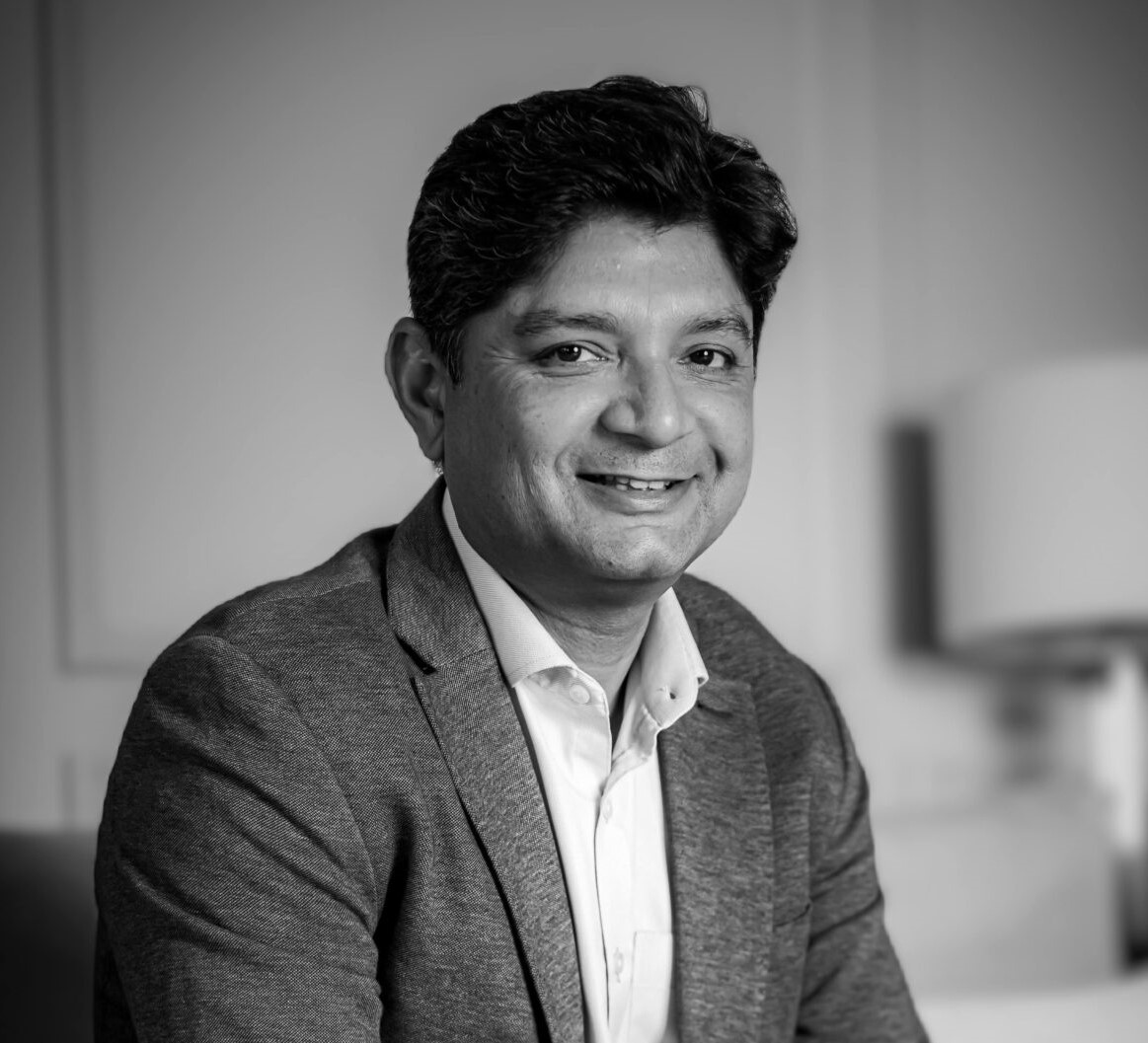
By Dr. Anup Ramani
Share At:
Google AI ChatGPT Grok Perplexity

Listening Article

Objective:

To provide a comprehensive, SEO-friendly guide on the post-operative diet for Transurethral Resection of the Prostate (TURP), specifically focusing on food and drink choices that prevent constipation and straining to ensure a smooth recovery process without using specific numeric data.

Recovery Nutrition: Diet After TURP to Prevent Constipation

Undergoing a surgical procedure is a significant step toward reclaiming comfort and health, particularly for men dealing with urinary issues. While the procedure itself tackles the obstruction, the journey to full health continues well after leaving the operating room. One of the most critical aspects of this journey involves managing digestion. For patients recovering from this specific intervention, preventing constipation is not merely about comfort; it is a medical necessity to protect the surgical site. Straining during bowel movements can increase internal pressure, potentially causing bleeding or disrupting the healing process. Therefore, adopting a strategic diet rich in fluids and fiber becomes the cornerstone of a successful recovery.

Email Dr. Ramani for Robotic Prostate Cancer Surgery

BPH Treatment and the Importance of Post-Operative Care

Benign Prostatic Hyperplasia (BPH) is a common condition affecting many men as they age, often necessitating medical intervention. When standard medication no longer provides relief, enlarged prostate surgery becomes a viable option to restore quality of life. The Transurethral Resection of the Prostate, commonly known as TURP, is frequently regarded as the gold standard for this condition. However, the success of any BPH treatment relies heavily on how well the patient manages the weeks following the procedure.

The body requires substantial energy and nutrients to repair tissues. Moreover, the anesthesia and pain medications used during the process can significantly slow down bowel movements, leading to constipation. This creates a challenging cycle where the patient needs to eat to heal but must choose foods that digest easily to avoid strain. Understanding the relationship between dietary intake and the healing mechanism is vital for anyone undergoing this procedure.

Enlarged Prostate Surgery Recovery Time: How Diet Accelerates Healing

The duration of the healing process can vary based on individual health and adherence to medical advice. Generally, enlarged prostate surgery recovery time is influenced by how well complications are minimized. Bleeding is a primary concern during the initial phase of recovery. Because the prostate is highly vascular, any excessive pressure in the pelvic region – such as the force exerted during a difficult bowel movement – can re-open healing blood vessels.

By prioritizing a diet that softens stool and promotes regular bowel movements, patients can significantly reduce this risk. A smooth recovery allows patients to return to their daily routines faster. While rest is essential, nutritional discipline is equally active in ensuring that the recovery timeline remains on track without setbacks caused by gastrointestinal distress.

Hydration Strategies for a Healthy Recovery

Water is arguably the most important element in a post-TURP diet. Adequate hydration serves a dual purpose: it flushes the bladder, keeping urine clear and reducing the risk of clots and it is essential for softening stool. When the body is dehydrated, the colon absorbs more fluid from food waste, resulting in hard, dry stools that are difficult to pass.

Patients should aim to consume ample fluids throughout the day. Water is the best choice, but herbal teas and clear broths can also contribute to total fluid intake. It is important to sip fluids steadily rather than consuming vast amounts at once, which might overfill the bladder and cause urgency. However, not all fluids are beneficial. Drinks containing caffeine or alcohol acts as diuretics and irritants. They can dehydrate the body and irritate the bladder lining, causing urgency and discomfort that mimics the symptoms the surgery was meant to treat. Therefore, sticking to plain water and non-acidic juices is the safest approach during the initial healing period.

What Our Patients Are Saying

"Dr. Anup Ramani is incredibly knowledgeable and took the time to answer all our questions. His commitment to healing and caring for others is truly inspiring. Highly recommend."
Dhara Sodha
On Google

Enlarged Prostate Specialist Recommendations on Fiber Intake

Any experienced enlarged prostate specialist will emphasize the role of dietary fiber in preventing constipation. Fiber adds bulk to the stool and draws in water, making it softer and easier to pass without straining. There are two types of fiber to consider: soluble and insoluble. Both play a role in digestion, but for post-surgical recovery, a balance is key to avoiding gas and bloating while ensuring regularity.

Whole grains are a fundamental source of fiber. Swapping refined white bread and pasta for whole wheat alternatives, brown rice and oats can make a significant difference. These foods provide sustained energy and the necessary roughage to keep the digestive tract moving. Breakfast cereals rich in bran or oats are excellent options to start the day, ensuring that the digestive system is stimulated early.

Fruits and vegetables are equally important. Fresh fruits like pears, apples and berries are not only rich in fiber but also contain high water content and essential vitamins that boost the immune system. Prunes and prune juice are particularly renowned for their natural laxative effect and are often recommended immediately after surgery to help restart the bowel function. Green leafy vegetables, such as spinach and broccoli, provide bulk and nutrients, though they should be cooked well to make them easier to digest.

Foods to Avoid to Prevent Straining and Irritation

Just as some foods aid recovery, others can hinder it. To avoid constipation, it is wise to limit the intake of processed foods, cheese and large quantities of red meat. These foods generally have low fiber content and can slow down digestion, leading to blockage.

Furthermore, dietary choices must consider bladder sensitivity. Spicy foods are known to irritate the bladder. For patients recovering from enlarged prostate treatment, consuming hot peppers, curries or heavily spiced dishes might cause discomfort during urination. During the healing phase, a bland diet is often safer. It reduces the risk of inflammation and allows the urinary tract to heal without unnecessary provocation.

Enlarged Prostate Surgery in India: Dietary Context

The approach to recovery often considers cultural dietary habits. For those undergoing enlarged prostate surgery in India, where the diet is traditionally rich in spices and diverse flavors, making adjustments is crucial. Indian cuisine offers excellent high-fiber options like lentils (dal), whole wheat rotis and a vast array of vegetables (sabzi). However, the preparation method matters. Patients should opt for boiled or lightly sautéed vegetable dishes rather than deep-fried or heavily spiced gravies.

Choosing mild, home-cooked meals over restaurant food ensures that ingredients are controlled. Curd (yogurt) is another staple in many Indian households that is highly beneficial. It contains probiotics that support gut health and digestion, making it a soothing addition to the post-operative diet. This local context helps patients maintain their nutritional needs without drastically changing their staple food groups, only the preparation style.

Call us for Kidney Cancer Treatment

BPH Surgery and Lifestyle Modifications for Digestion

While diet is the primary driver, lifestyle habits work in tandem with nutrition to prevent constipation after BPH surgery. Immobility is a major contributor to a sluggish digestive system. While strenuous exercise is strictly prohibited to prevent bleeding, complete bed rest is rarely advised unless there are complications.

Gentle walking is highly encouraged. Walking helps stimulate the intestines, promoting the natural rhythmic contractions that move food through the digestive tract. A short, slow walk around the house or garden can be very effective in reducing gas and encouraging a bowel movement. This light activity, combined with the right fiber intake, creates an optimal environment for the body to function normally.

Additionally, patients should listen to their bodies. Ignoring the urge to have a bowel movement can lead to the stool becoming harder and more difficult to pass later. Establishing a routine, perhaps by attempting a bowel movement at the same time each day, can help train the body and reduce the anxiety associated with post-surgical bathroom visits.

Cost of Enlarged Prostate Surgery in India and Value of Post-Op Care

When considering medical procedures, financial planning is often a significant factor. The cost of enlarged prostate surgery in India is generally more affordable compared to many Western countries, making it a hub for medical tourism. However, the value of the surgery is ultimately determined by the success of the outcome. Investing in the surgery is only the first step; investing time and effort into the correct post-operative diet is what secures the long-term benefit.

Complications arising from poor diet, such as severe constipation leading to secondary bleeding, can lead to readmission or additional medical intervention. This not only affects the patient’s health but can also escalate the overall expenses. Therefore, adhering to dietary guidelines is a cost-effective strategy to ensure the procedure yields the best possible results without additional financial or physical strain.

Enlarged Prostate Treatment in India: Holistic Recovery

The medical landscape for enlarged prostate treatment in India is robust, offering advanced surgical options and skilled care. However, the holistic aspect of recovery – integrating diet and lifestyle – is where the patient takes control. Doctors provide the solution to the blockage, but the patient maintains the solution through self-care.

Eating frequent, smaller meals rather than few large ones can also aid digestion. Large meals tax the digestive system, drawing significant blood flow to the stomach and potentially causing lethargy and bloating. Smaller, nutrient-dense meals keep energy levels stable and digestion consistent. This approach aligns well with traditional dietary practices where lighter meals are preferred during convalescence.

Long-Term Dietary Habits for Prostate Health

While the immediate focus is on preventing constipation to protect the surgical site, the dietary changes adopted during recovery can have lasting benefits. A diet high in fiber, low in red meat and rich in hydration supports overall prostate health and general well-being. Maintaining a healthy weight through these dietary habits reduces pressure on the pelvic floor and improves overall cardiovascular health, which is beneficial for men as they age.

Continuing to avoid excessive caffeine and alcohol even after the initial recovery period can help manage any residual urinary symptoms. Bladder health is lifelong and the habits formed during the critical weeks following surgery can serve as a foundation for a healthier future.

Conclusion

Recovering from TURP is a process that requires patience and active participation from the patient. The primary goal during this period is to facilitate healing by minimizing strain and pressure on the pelvic area. A carefully planned diet is the most effective tool for achieving this. by focusing on hydration, high-fiber foods like fruits, vegetables and whole grains and avoiding irritants like caffeine and spicy foods, patients can prevent constipation and the associated risks of straining.

Whether one is recovering at home or traveling for enlarged prostate treatment, the principles of nutrition remain the same. The combination of medical expertise from an enlarged prostate specialist and the patient’s commitment to dietary discipline ensures a smooth transition back to normal life. Ultimately, the food you eat acts as medicine, soothing the body and providing the necessary building blocks for repair, ensuring that the relief provided by surgery is permanent and uncomplicated.

Frequently Asked Questions

Constipation leads to straining during bowel movements, which increases internal pressure and can cause the surgical site to bleed, delaying recovery.

It is best to avoid caffeine as it can irritate the bladder and cause urgency; herbal teas or warm water are better alternatives during the initial healing phase.

Fruits with high fiber and water content, such as pears, apples, papayas and prunes, are excellent for softening stool and promoting regularity.

No, spicy foods should be avoided as they can irritate the bladder lining and cause discomfort or a burning sensation during urination.

Yes, gentle walking promotes blood flow and stimulates the digestive tract, helping to move waste through the system and prevent gas buildup.

About Author

PARTIAL PENECTOMY
  • Partial penectomy is done in cases where glans and distal penis is involved with carcinoma. 
  • Partial penectomy is a type of organ-preserving surgery. Preservation of sexual and micturational function depends on the surgical dissection and reconstruction of residual urethra.
Kidney Stone Removal
  • Patients who develop stones in the kidney or ureter, often experience severe pain.
  • This condition usually needs a procedure to remove the kidney stones.
  • This procedure is called ureteroscopy and is performed very commonly.
  • It does not require any cuts and hence it is painless.
  • The procedure is performed with an endoscope inserted through the penis under spinal anesthesia.
  • The scope is inserted through the penis into the kidney and stones are dissolved with a laser.
  • The procedure takes about 40-50 minutes. 
  • A catheter (urine pipe) is kept after the procedure to drain the bladder. A stent is kept in the kidney at the same time.
  • Patient is mobile and walking in the room the same evening.
  • Hospital stay is one night and patient is discharged the next day after removal of the catheter.
  • Patient has to come back after six weeks to remove the stent in the kidney.
  • Patients can resume office a week after surgery and heavy activities like running, weight lifting, a month after the procedure.
  • We offer fixed packages for this procedure which can be obtained by calling our helpline +91 9967666060.
  • Men with an enlarged prostate, which is a normal ageing changes, often experiencing difficulty passing urine. This condition usually needs a procedure to trim the prostate and relieve the blockage.
  • This procedure is called TURP and is performed very commonly.
  • It does not require any cuts and hence it is painless.
  • The procedure is performed with an endoscope inserted through the penis under spinal anaesthesia.
  • The overgrown prostate is dissolved with a laser bloodlessly.
  • The procedure takes about 40 minutes.
  • A catheter (urine pipe) is kept after the procedure to drain the bladder.
  • Patient is mobile and walking in the room the same evening.
  • Hospital stay is two nights and patient is discharged with the catheter, which is removed after 4 days.
  • Patients can resume office a week after surgery and heavy activities like running, weight lifting, a month after the procedure.
  • We offer fixed packages for this procedure which can be obtained by calling our helpline +91 9967666060.
ROBOTIC ADRENALECTOMY FOR ADRENAL GLAND TUMOUR
  • Robotic adrenalectomy is a sophisticated, complex surgery and it is very important that an experienced surgeon performs this surgery to avoid major complications.

  • Once the anesthesia is done, and patient positioned, three micro cuts (3mm each) are made in the patient’s abdomen.

  • The arms of the Da Vinci robot are connected to the cuts via ports (tubes).

  • Dr. Ramani then sits in the controlling console to perform the surgery.

  • On an average, a robotic adrenalectomy takes one hour.

  • The surgery is almost completely bloodless and there has never been any need to transfuse blood after surgery.

  • A urine catheter and bag to drain the bladder is inserted during surgery.

  • A tiny drain pipe may be inserted in the surgical side of the abdomen, connected to a bag.

  • Patient is kept nil-by-mouth the day of the surgery, with IV fluids. Sips of water are started the next day and solid food by day three.

  • The drain pipe, if kept, is removed in the room on day 2 after surgery.

  • The catheter is removed on day two after surgery.

  • Total hospital stay for robotic adrenalectomy is 4 nights (including night before surgery).

  • Post discharge, a doctor from the surgical team visits the patient at home/ hotel room once every day.

RETURN TO ACTIVITY
  • On the day of discharge, patient is totally self-sufficient. They are able to walk freely without any pain, dress themselves, shower, toilet and they do not need to hire any nurse or help at home. Almost all patients are back to work within 2 weeks of surgery.

  • Heavy activities like running, weight lifting can be resumed after a month

FOLLOW UP AFTER SURGERY
  • Follow up after an adrenalectomy is in the form of CT scans, once a year for 5 years.
    Local patients usually meet Dr. Ramani after two weeks to discuss report.

  • Outstation patients are counselled on a phone consultation.

ROBOTIC SURGERY FOR BLADDER CANCER
  • Dr. Ramani is one of the very few surgeons in India who has the expertise to perform a robotic surgery for bladder cancer, which includes removing the urinary bladder and reconstructing a new bladder robotically.
  • Robotic radical cystectomy is an extremely sophisticated, complex surgery and it is very important that an experienced surgeon performs this surgery to avoid major complications.
  • Once the anaesthesia is done, and patient positioned, six micro cuts (3mm each) are made in the patient’s abdomen.
  • The arms of the Da Vinci robot are connected to the cuts via ports (tubes).
  • Dr. Ramani then sits in the controlling console to perform the surgery.
  • On an average, a robotic radical cystectomy with an ileal conduit takes 3-4 hours.
  • The surgery is almost completely bloodless and there has never been any need to transfuse blood after surgery.
  • A urine catheter and bag to drain the new bladder is inserted during surgery.
  • Two tiny drain pipe in inserted in the surgical side of the abdomen, connected to a bag.
  • Patient is kept nil-by-mouth for 4 days after surgery with IV supplementation of patient’s daily requirements of calories, fats, carbohydrates, proteins and electrolytes.
  • The drain pipes are removed in the room on day 3-5 after surgery.
  • Total hospital stay for radical cystectomy is 8 nights (including night before surgery).
  • Post discharge, a doctor from the surgical team visits the patient at home/ hotel room once every day.
RETURN TO ACTIVITY
  • On the day of discharge, patient is totally self-sufficient. They are able to walk freely without any pain, dress themselves, shower, toilet and they do not need to hire any nurse or help at home.
  • Almost all patients are back to work within 6 weeks of surgery. Heavy activities like running, weight lifting can be resumed after two months.
FOLLOW UP AFTER SURGERY
  • Follow up after a radical a cystectomy is in the form of CT scans, once a year for 5 years.

  • Histopathology report: Local patients usually meet Dr. Ramani after two weeks to discuss report.

  • Outstation patients are counselled on a phone consult. Depending on the report, patient may or may not need chemotherapy after surgery.

  • If chemo is needed, patients may choose to get it done with a medical oncologist of their choice or avail the services of one of the four medical oncologists on our team.

ROBOTIC RADICAL/PARTIAL NEPHRECTOMY FOR KIDNEY CANCER
  • Robotic partial nephrectomy is a sophisticated, complex surgery and it is very important that an experienced surgeon performs this surgery to avoid major complications. Robotic radical (total) nephrectomy is
  • relatively easier but still requires significant experience to consistently deliver results.
  • Once the anaesthesia is done, and patient positioned, five micro cuts (3mm each) are made in the patient’s abdomen.
  • The arms of the Da Vinci robot are connected to the cuts via ports (tubes).
  • Dr. Ramani then sits in the controlling console to perform the surgery.
  • On an average, a robotic radical nephrectomy takes one hour and a robotic partial nephrectomy takes about an hour and half.
  • The surgery is almost completely bloodless and there has never been any need to transfuse blood after surgery.
  • A urine catheter and bag to drain the bladder is inserted during surgery.
  • A tiny drain pipe in inserted in the surgical side of the abdomen, connected to a bag.
  • Patient is kept nil-by-mouth the day of the surgery, with IV fluids. Sips of water are started the next day and solid food by day three.
  • The drain pipe is removed in the room on day 3 after surgery. The catheter is removed on day two after surgery.
  • Total hospital stay for radical/partial nephrectomy is 4 nights (including night before surgery).
  • Post discharge, a doctor from the surgical team visits the patient at home/ hotel room once every day.
RETURN TO ACTIVITY
  • On the day of discharge, patient is totally self- sufficient. 
  • They are able to walk freely without any pain, dress themselves, shower, toilet and they do not need to hire any nurse or help at home. 
  • Almost all patients are back to work within 2-3 weeks of surgery.
  • Heavy activities like running, weight lifting can be resumed after a month.
FOLLOW UP AFTER SURGERY
  • Follow up after a radical/partial Nephrectomy is in the form of CT scans, once a year for 5 years.
  • Local patients usually meet Dr. Ramani after two weeks to discuss report. 
  • Outstation patients are counselled on a phone consultation.