






By Dr. Anup Ramani
Share At:
Google AI ChatGPT Grok Perplexity

Listening Article

Objective:

This article aims to provide a comprehensive understanding of how penis cancer surgery may impact a patient’s mental health, exploring potential psychological challenges and outlining practical coping strategies and available support systems. It is designed to support patients, caregivers and healthcare professionals in managing the complex intersection between physical treatment and emotional well-being.

Message us on WhatsApp for Prostate Cancer Surgery and Treatment in India

Introduction: A Complex Journey Beyond the Physical Surgery

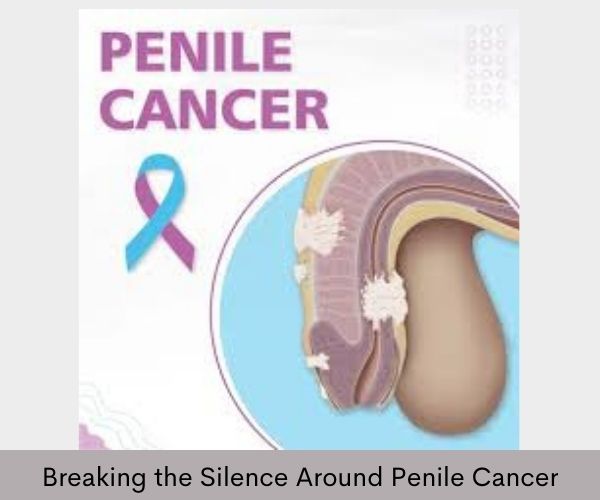
Penis cancer is a rare yet deeply impactful diagnosis, often leading to life-altering decisions, including partial or total penectomy. While the primary focus is typically on the removal of cancerous tissue, the psychological aftermath of penis cancer surgery may be equally profound. The body undergoes a visible change and this transformation can deeply affect self-image, masculinity, sexual identity and personal relationships. Many patients are unprepared for the emotional toll that follows surgery.

Beyond the immediate concerns of physical recovery, patients may face anxiety, depression, grief, shame or a sense of lost identity. These emotions are not uncommon and acknowledging them is the first step toward healing. Addressing these mental health effects as part of post-surgical care is essential and support strategies can make a significant difference in recovery.

Understanding Emotional Trauma After Penis Cancer Surgery

The emotional trauma following penis cancer surgery can vary widely. Patients may struggle with changes in sexual function, altered appearance or fear of intimacy. These factors often combine to create psychological stress that may manifest as mood swings, social withdrawal or even post-traumatic stress symptoms.

Mental health is not secondary to physical health in this context. The surgical impact may cause a psychological crisis where identity and self-worth become deeply intertwined with the physical changes. Some patients describe a sense of mourning – a loss of their previous self – which requires both time and structured support to address.

What Our Patients Are Saying

"Dr. Anup Ramani is incredibly knowledgeable and took the time to answer all our questions. His commitment to healing and caring for others is truly inspiring. Highly recommend."
Dhara Sodha
On Google

Body Image and Self-Perception Issues Post-Surgery

For many men, the penis is more than a biological organ – it is strongly linked to personal identity, self-confidence and societal perceptions of masculinity. After surgery, patients may experience discomfort with their new appearance or worry about how others perceive them. These thoughts may be intrusive and persistent, affecting daily interactions and diminishing self-esteem.

This shift in body image may also impact clothing choices, hygiene routines and even avoidance of public spaces like gyms or swimming pools. Feeling “different” can be isolating and without the proper emotional support, these feelings may escalate into longer-term psychological distress.

Sexual Function and Psychological Adjustment

A primary concern for many post-operative patients is sexual function. Surgery may alter or eliminate erectile ability depending on the extent of the procedure. This change can influence personal relationships and lead to feelings of inadequacy or fear of rejection.

Patients may avoid intimate relationships or feel embarrassed discussing their condition. These barriers can lead to loneliness or relationship strain. However, open communication with partners, therapeutic intervention and sexual counseling can help in navigating these challenges. Mental health support in this phase is critical to help patients redefine their understanding of intimacy and connection.

Social Isolation and Stigma Associated with Penile Surgery

Due to the nature of the condition, penis cancer carries a social stigma that can intensify feelings of shame or embarrassment. Some men may fear judgment or ridicule, choosing to withdraw from their social circles. This avoidance may lead to chronic isolation and worsen mental health outcomes.

Creating safe spaces to share experiences can alleviate these feelings. Peer support groups or confidential counseling services provide outlets to speak openly without fear of judgment. Reducing stigma through education and awareness is also key to helping patients regain social confidence.

Anxiety and Depression After Penis Cancer Surgery

Psychological distress, particularly anxiety and depression, can surface shortly after surgery or even months later. Concerns about recurrence, ongoing treatment or permanent lifestyle changes may become overwhelming. Depression may not always be obvious and can present as fatigue, irritability or a lack of motivation.

Incorporating mental health screenings during post-operative checkups can ensure early intervention. Therapists who specialize in oncology or post-surgical trauma can guide patients through this mental adjustment period and offer tools for building resilience.

The Role of Partners and Family in Psychological Recovery

The emotional effects of penis cancer surgery extend beyond the patient. Partners and family members may also face confusion, grief or helplessness. They may be unsure how to offer support or may themselves struggle with changes in intimacy or communication.

Including loved ones in therapy sessions or educational support groups can help all parties better understand the changes occurring. This inclusive approach builds empathy, reduces relationship tension and supports the patient’s emotional recovery in a nurturing environment.

Medical Communication and Psychological Preparedness

Healthcare providers play a pivotal role in preparing patients mentally for what lies ahead. Unfortunately, discussions often focus exclusively on physical outcomes and neglect emotional readiness. When patients are not fully informed about potential psychological changes, the post-surgical impact may feel even more destabilizing.

Transparent communication about expected outcomes, including body image changes and possible emotional reactions, can help set realistic expectations. Pre-surgical counseling may reduce shock and improve long-term adaptation.

Psychological Coping Mechanisms After Surgery

Coping mechanisms vary and not all are healthy. Some individuals may resort to denial, substance abuse or avoidance to manage emotional pain. Others may find strength through mindfulness, journaling, art therapy or support groups.

A proactive approach involves recognizing personal triggers and learning techniques to manage them. Cognitive Behavioral Therapy (CBT), for example, may help patients restructure negative thoughts and reduce anxiety. Establishing daily routines and setting achievable goals can also promote a sense of control and stability.

Support Groups and Peer Networks for Survivors

Connecting with other individuals who have undergone penis cancer surgery may offer comfort and perspective. Peer networks can foster solidarity, reduce feelings of isolation and provide practical insights that only fellow survivors can offer.

Whether online or in-person, these communities may play a key role in long-term psychological recovery. Hearing from others who have reclaimed a fulfilling life post-surgery may serve as a motivational beacon for those still navigating the early stages of adjustment.

Accessing Mental Health Resources in Urban and Rural Settings

Availability of mental health resources can differ depending on geographic location. Urban areas often offer specialized oncology psychologists and support centers, while rural regions may lack such infrastructure.

Telehealth options and virtual counseling sessions bridge this gap, allowing patients from remote locations to access qualified mental health professionals. Educating patients on how to locate these services and advocating for expanded mental health coverage may improve overall outcomes.

Schedule An Appointment for Prostate Cancer Surgery and Treatment in India

Professional Psychological Support: When and Where to Seek Help

Knowing when to seek professional mental health support is vital. If emotional distress continues for more than a few weeks or interferes with daily functioning, it may be time to consult a psychologist or psychiatrist. General practitioners can also offer referrals to appropriate mental health services.

Some hospitals and cancer treatment centers provide in-house psychological support services. Patients should be encouraged to use these resources early, rather than waiting until emotional symptoms become severe.

The Importance of Emotional Resilience in Recovery

Recovery from penis cancer surgery is not only physical but deeply emotional. Developing resilience may involve confronting uncomfortable truths, adjusting expectations and finding strength in vulnerability. While every individual’s journey is unique, the principles of self-compassion, persistence and adaptability remain universally important.

Resilience doesn’t mean ignoring pain – it means learning how to manage it in healthy ways. Small victories, such as returning to work or resuming hobbies, can be significant markers of progress.

Long-Term Psychological Monitoring and Support

The emotional impact of surgery may not disappear after a few months. Patients may face psychological fluctuations for years after the operation. Routine mental health evaluations should be a standard part of post-treatment care plans.

Long-term monitoring ensures that delayed emotional responses are addressed. Continued access to therapy, ongoing engagement with support networks and the flexibility to re-engage services as needed create a sustainable mental health recovery path.

Integrating Mental Health into Penile Cancer Care Models

The current model of penile cancer care must evolve to prioritize mental health alongside physical treatment. A multidisciplinary approach that includes psychologists, counselors, urologists and patient advocates provides the best outcome.

By addressing the full spectrum of patient needs – from surgical success to emotional healing – the healthcare system can foster a more compassionate and comprehensive treatment model.

Conclusion

Penis cancer surgery may initiate a complex interplay of physical transformation and emotional upheaval. Recognizing the psychological ramifications is not optional – it is essential. Recovery involves more than physical healing; it is about reclaiming dignity, self-worth and a sense of normalcy.

Each patient’s journey may differ, but the need for mental health support is a constant thread. Open dialogue, empathetic care and accessible support systems can help ensure that patients are not only surviving but living well beyond surgery. By acknowledging the entire human experience – body and mind – we pave the way for truly holistic healing.

FAQs

Surgery for penis cancer may include partial or total penectomy, depending on the size and location of the tumor.

Recovery time varies, but it typically takes several weeks to months, depending on the extent of the surgery and individual healing rates.

Yes, depending on the type of surgery, patients may experience changes in erectile function or difficulty with sexual activity.

Many patients experience body image issues, anxiety, depression and concerns about intimacy or relationships after surgery.

Yes, psychological support through counseling, support groups and therapy can help patients navigate both the physical and emotional challenges post-surgery.

About Author

PARTIAL PENECTOMY
  • Partial penectomy is done in cases where glans and distal penis is involved with carcinoma. 
  • Partial penectomy is a type of organ-preserving surgery. Preservation of sexual and micturational function depends on the surgical dissection and reconstruction of residual urethra.
Kidney Stone Removal
  • Patients who develop stones in the kidney or ureter, often experience severe pain.
  • This condition usually needs a procedure to remove the kidney stones.
  • This procedure is called ureteroscopy and is performed very commonly.
  • It does not require any cuts and hence it is painless.
  • The procedure is performed with an endoscope inserted through the penis under spinal anesthesia.
  • The scope is inserted through the penis into the kidney and stones are dissolved with a laser.
  • The procedure takes about 40-50 minutes. 
  • A catheter (urine pipe) is kept after the procedure to drain the bladder. A stent is kept in the kidney at the same time.
  • Patient is mobile and walking in the room the same evening.
  • Hospital stay is one night and patient is discharged the next day after removal of the catheter.
  • Patient has to come back after six weeks to remove the stent in the kidney.
  • Patients can resume office a week after surgery and heavy activities like running, weight lifting, a month after the procedure.
  • We offer fixed packages for this procedure which can be obtained by calling our helpline +91 9967666060.
  • Men with an enlarged prostate, which is a normal ageing changes, often experiencing difficulty passing urine. This condition usually needs a procedure to trim the prostate and relieve the blockage.
  • This procedure is called TURP and is performed very commonly.
  • It does not require any cuts and hence it is painless.
  • The procedure is performed with an endoscope inserted through the penis under spinal anaesthesia.
  • The overgrown prostate is dissolved with a laser bloodlessly.
  • The procedure takes about 40 minutes.
  • A catheter (urine pipe) is kept after the procedure to drain the bladder.
  • Patient is mobile and walking in the room the same evening.
  • Hospital stay is two nights and patient is discharged with the catheter, which is removed after 4 days.
  • Patients can resume office a week after surgery and heavy activities like running, weight lifting, a month after the procedure.
  • We offer fixed packages for this procedure which can be obtained by calling our helpline +91 9967666060.
ROBOTIC ADRENALECTOMY FOR ADRENAL GLAND TUMOUR
  • Robotic adrenalectomy is a sophisticated, complex surgery and it is very important that an experienced surgeon performs this surgery to avoid major complications.

  • Once the anesthesia is done, and patient positioned, three micro cuts (3mm each) are made in the patient’s abdomen.

  • The arms of the Da Vinci robot are connected to the cuts via ports (tubes).

  • Dr. Ramani then sits in the controlling console to perform the surgery.

  • On an average, a robotic adrenalectomy takes one hour.

  • The surgery is almost completely bloodless and there has never been any need to transfuse blood after surgery.

  • A urine catheter and bag to drain the bladder is inserted during surgery.

  • A tiny drain pipe may be inserted in the surgical side of the abdomen, connected to a bag.

  • Patient is kept nil-by-mouth the day of the surgery, with IV fluids. Sips of water are started the next day and solid food by day three.

  • The drain pipe, if kept, is removed in the room on day 2 after surgery.

  • The catheter is removed on day two after surgery.

  • Total hospital stay for robotic adrenalectomy is 4 nights (including night before surgery).

  • Post discharge, a doctor from the surgical team visits the patient at home/ hotel room once every day.

RETURN TO ACTIVITY
  • On the day of discharge, patient is totally self-sufficient. They are able to walk freely without any pain, dress themselves, shower, toilet and they do not need to hire any nurse or help at home. Almost all patients are back to work within 2 weeks of surgery.

  • Heavy activities like running, weight lifting can be resumed after a month

FOLLOW UP AFTER SURGERY
  • Follow up after an adrenalectomy is in the form of CT scans, once a year for 5 years.
    Local patients usually meet Dr. Ramani after two weeks to discuss report.

  • Outstation patients are counselled on a phone consultation.

ROBOTIC SURGERY FOR BLADDER CANCER
  • Dr. Ramani is one of the very few surgeons in India who has the expertise to perform a robotic surgery for bladder cancer, which includes removing the urinary bladder and reconstructing a new bladder robotically.
  • Robotic radical cystectomy is an extremely sophisticated, complex surgery and it is very important that an experienced surgeon performs this surgery to avoid major complications.
  • Once the anaesthesia is done, and patient positioned, six micro cuts (3mm each) are made in the patient’s abdomen.
  • The arms of the Da Vinci robot are connected to the cuts via ports (tubes).
  • Dr. Ramani then sits in the controlling console to perform the surgery.
  • On an average, a robotic radical cystectomy with an ileal conduit takes 3-4 hours.
  • The surgery is almost completely bloodless and there has never been any need to transfuse blood after surgery.
  • A urine catheter and bag to drain the new bladder is inserted during surgery.
  • Two tiny drain pipe in inserted in the surgical side of the abdomen, connected to a bag.
  • Patient is kept nil-by-mouth for 4 days after surgery with IV supplementation of patient’s daily requirements of calories, fats, carbohydrates, proteins and electrolytes.
  • The drain pipes are removed in the room on day 3-5 after surgery.
  • Total hospital stay for radical cystectomy is 8 nights (including night before surgery).
  • Post discharge, a doctor from the surgical team visits the patient at home/ hotel room once every day.
RETURN TO ACTIVITY
  • On the day of discharge, patient is totally self-sufficient. They are able to walk freely without any pain, dress themselves, shower, toilet and they do not need to hire any nurse or help at home.
  • Almost all patients are back to work within 6 weeks of surgery. Heavy activities like running, weight lifting can be resumed after two months.
FOLLOW UP AFTER SURGERY
  • Follow up after a radical a cystectomy is in the form of CT scans, once a year for 5 years.

  • Histopathology report: Local patients usually meet Dr. Ramani after two weeks to discuss report.

  • Outstation patients are counselled on a phone consult. Depending on the report, patient may or may not need chemotherapy after surgery.

  • If chemo is needed, patients may choose to get it done with a medical oncologist of their choice or avail the services of one of the four medical oncologists on our team.

ROBOTIC RADICAL/PARTIAL NEPHRECTOMY FOR KIDNEY CANCER
  • Robotic partial nephrectomy is a sophisticated, complex surgery and it is very important that an experienced surgeon performs this surgery to avoid major complications. Robotic radical (total) nephrectomy is
  • relatively easier but still requires significant experience to consistently deliver results.
  • Once the anaesthesia is done, and patient positioned, five micro cuts (3mm each) are made in the patient’s abdomen.
  • The arms of the Da Vinci robot are connected to the cuts via ports (tubes).
  • Dr. Ramani then sits in the controlling console to perform the surgery.
  • On an average, a robotic radical nephrectomy takes one hour and a robotic partial nephrectomy takes about an hour and half.
  • The surgery is almost completely bloodless and there has never been any need to transfuse blood after surgery.
  • A urine catheter and bag to drain the bladder is inserted during surgery.
  • A tiny drain pipe in inserted in the surgical side of the abdomen, connected to a bag.
  • Patient is kept nil-by-mouth the day of the surgery, with IV fluids. Sips of water are started the next day and solid food by day three.
  • The drain pipe is removed in the room on day 3 after surgery. The catheter is removed on day two after surgery.
  • Total hospital stay for radical/partial nephrectomy is 4 nights (including night before surgery).
  • Post discharge, a doctor from the surgical team visits the patient at home/ hotel room once every day.
RETURN TO ACTIVITY
  • On the day of discharge, patient is totally self- sufficient. 
  • They are able to walk freely without any pain, dress themselves, shower, toilet and they do not need to hire any nurse or help at home. 
  • Almost all patients are back to work within 2-3 weeks of surgery.
  • Heavy activities like running, weight lifting can be resumed after a month.
FOLLOW UP AFTER SURGERY
  • Follow up after a radical/partial Nephrectomy is in the form of CT scans, once a year for 5 years.
  • Local patients usually meet Dr. Ramani after two weeks to discuss report. 
  • Outstation patients are counselled on a phone consultation.