By Dr. Anup Ramani
Share At:
Google AI ChatGPT Grok Perplexity

Listening Article

Objective

Total and partial penectomy are surgeries performed to treat penile cancer, often when the disease cannot be managed with less invasive treatments. While these procedures can be life-saving, they also carry significant physical and psychological risks. This article explains the common complications of penectomy, the impact on sexual health and relationships and how patients can manage the changes with medical and emotional support.

Understanding Total and Partial Penectomy: Surgical Overview and Risk Factors

Penectomy is a surgical procedure to remove part or all of the penis and is typically done to treat penile cancer. A partial penectomy involves removing the cancerous portion of the penis while preserving as much of the shaft as possible. In contrast, a total penectomy removes the entire penis when cancer is extensive or deeply invasive.

A Penis Cancer Surgeon decides between partial and total penectomy based on tumor size, location, depth of invasion and whether the cancer has spread. Both surgeries are critical components of penis cancer treatment, especially when the goal is to achieve complete cancer control and prevent recurrence.

However, certain risk factors increase the chance of complications during or after surgery. These include patient age, poor overall health, existing urinary problems, infections, diabetes and delayed cancer diagnosis. In some patients, especially those with advanced disease, lymph nodes in the groin may also be removed, further increasing the risk of complications.

Understanding the procedure and associated risks helps patients prepare better for the outcomes of penis cancer surgery and improves post-surgical recovery with realistic expectations.

Message us on WhatsApp for robotic prostate cancer surgery

Intraoperative Complications: Bleeding, Nerve Damage and Surgical Challenges

Like all surgeries, partial and total penectomy carry intraoperative risks – those that happen during the operation. One of the most common complications is bleeding, as the penis has a rich blood supply from several arteries and veins. Controlling this bleeding during surgery is essential to avoid significant blood loss and postoperative complications.

Another risk is nerve damage. The area around the penis contains sensitive nerves that control sensation, erectile function and urination. While partial penectomy surgeons aim to preserve as much nerve function as possible, deep tumors or extensive surgery may result in unavoidable nerve injury, leading to long-term effects on urination or sexual response.

Surgical challenges also increase in patients with previous operations, infections or anatomical abnormalities. For instance, scar tissue from earlier procedures or untreated infections can make it harder for the surgeon to operate safely. In total penectomy cases, if the urethra is redirected to form a new urinary opening (perineal urethrostomy), there’s a risk of complications with the new urinary path.

While expert surgeons take every precaution to reduce these risks, being informed helps patients appreciate the complexity of surgery for penis cancer and prepare for recovery.

What Our Patients Are Saying

"Dr Ramani is excellent not only as a best doctor but also a genuine and compassionate human being. He gives the kind of confidence with his immense experience over the years which is a life saver in a true sense. I say it from my personal experience that he is as good as it gets.its because of him it’s normal life and work."
Tanmoy Ganguli

Postoperative Complications After Total and Partial Penectomy

Once surgery is complete, a new set of challenges may arise during recovery. One of the most common postoperative complications is wound infection, especially in patients with diabetes or compromised immunity. Proper hygiene and follow-up care are essential to prevent infections and promote healing.

Wound healing issues, such as delayed healing or wound breakdown, are more likely in overweight patients or those with poor nutrition. These problems can cause prolonged hospital stays or require additional treatments.

Urinary complications can also occur, especially if the urethra is shortened or repositioned. Some patients may experience difficulty directing urine, urine leakage or pain while urinating. In total penectomy surgery, where the penis is completely removed and a new urinary opening is created near the perineum (area between scrotum and anus), learning to urinate sitting down becomes necessary.

Another potential complication is lymphedema, which is swelling in the groin or legs due to lymph node removal. This is more common if lymph nodes were taken out during the procedure for cancer staging or treatment.

These complications emphasize the importance of follow-up care after penis cancer treatment in India and in centers globally. Early detection of problems can lead to better outcomes and less long-term impact.

Impact of Partial Penectomy Surgery on Sexual Health and Erectile Function

One of the most difficult outcomes of penectomy is its effect on a man’s sexual health and erectile function. In a partial penectomy, some patients may retain enough of the penis for penetration and sexual activity, especially if the remaining length is more than 2–3 cm. However, changes in sensation, erection strength and psychological readiness often affect sexual performance.

In a total penectomy, all erectile function is lost, as the entire shaft and erectile tissue are removed. Although the cancer may be treated, the loss of sexual identity and physical ability to perform sexually can be distressing.

Men may experience reduced sexual desire or performance anxiety due to changes in body image and loss of genital function. For some, this may lead to avoiding intimacy altogether, even though emotional and physical closeness remain important.

While these changes can be overwhelming, they do not mean the end of sexual or emotional connection. Understanding these changes is essential and involving a penis cancer surgeon early can help men explore options for adaptation, communication and rehabilitation.

Emotional and Psychological Effects Following Penectomy Surgery

The psychological impact of penectomy can be profound. Patients may feel a loss of masculinity, identity or confidence after the surgery. Depression and anxiety are common, especially in younger patients or those with active sex lives before surgery.

Many patients go through a grieving process after the surgery, mourning the loss of their organ and the roles it played in their lives. Some may feel ashamed or socially withdrawn, particularly if they fear how others – including intimate partners – will react to their new appearance.

This emotional distress is just as important to treat as the physical side effects. Seeking help from a psychologist or counselor who specializes in penis cancer treatment can make a significant difference. Group therapy, peer support and one-on-one sessions can all provide reassurance that these feelings are normal and manageable.

In penis cancer treatment in Mumbai and in top cancer centers, more attention is now being given to the mental and emotional recovery after surgery. A holistic approach improves both quality of life and long-term mental well-being.

Call Dr. Ramani

How Penis Cancer Surgery Affects Relationships and Partner Communication

After a partial or total penectomy, many men worry about how their partner will react. Changes in appearance, sexual function and self-esteem can affect relationships. Some couples may find it difficult to resume physical intimacy, while others struggle with open communication about needs and concerns.

However, studies have shown that open, honest conversations between partners often lead to better emotional closeness. It’s important to involve partners in the recovery process and help them understand what the surgery means for the relationship – not just physically but emotionally too.

Relationship counseling or couples therapy can provide a safe space to discuss fears, frustrations and adjustments. Intimacy can take many forms beyond intercourse and exploring new ways of connecting can help couples maintain their bond.

Strong relationships often become stronger when both partners support each other through recovery. Communication, patience and willingness to adapt are key to navigating post-penectomy relationship changes.

Managing Sexual Changes After Penectomy: Supportive Therapies and Medical Options

Even after total or partial penectomy, sexual rehabilitation is possible. Many men and their partners can continue to enjoy satisfying relationships with the help of supportive therapies and open-minded approaches to intimacy.

One option is counseling, which helps address the emotional and psychological aspects of sexual changes. Sex therapy can also help couples explore alternative ways of achieving pleasure and connection.

In select cases, penile prosthetics or surgical reconstructions may be offered, though these are usually considered after full recovery from cancer treatment. Some men benefit from vacuum erection devices if some erectile tissue remains, particularly after partial penectomy.

Education plays a major role in helping men adapt to their new reality. Medical professionals specializing in penis cancer treatment in India and globally are increasingly offering integrated care, including physical rehabilitation, psychological support and sexual health services.

Though the journey after partial or total penectomy surgery can be challenging, many men lead fulfilling lives with the right support, treatment and partner communication.

FAQs:

Partial penectomy removes only part of the penis, preserving some function, while total penectomy removes the entire penis due to extensive cancer.

Some function may remain after partial penectomy, but total penectomy results in complete loss of erectile function; emotional intimacy, however, is still possible.

Infection, bleeding, urinary difficulties and psychological effects are among the most common complications.

Yes, counseling and emotional support are important for coping with body image issues, depression and relationship changes.

Recovery usually takes 2 to 4 weeks, depending on the type of surgery, with full healing and emotional adjustment needing additional time and support.

About Author

PARTIAL PENECTOMY
  • Partial penectomy is done in cases where glans and distal penis is involved with carcinoma. 
  • Partial penectomy is a type of organ-preserving surgery. Preservation of sexual and micturational function depends on the surgical dissection and reconstruction of residual urethra.
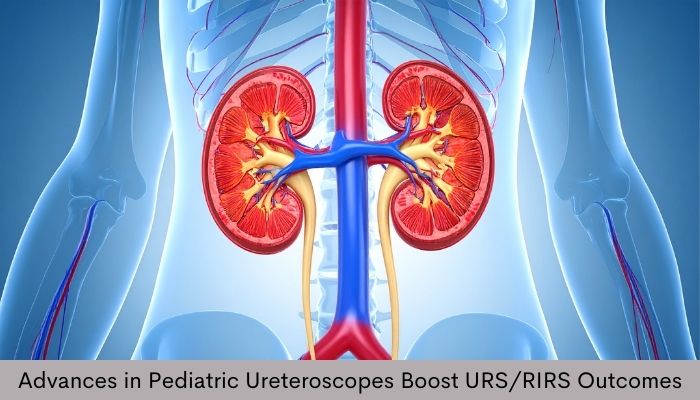
Kidney Stone Removal
  • Patients who develop stones in the kidney or ureter, often experience severe pain.
  • This condition usually needs a procedure to remove the kidney stones.
  • This procedure is called ureteroscopy and is performed very commonly.
  • It does not require any cuts and hence it is painless.
  • The procedure is performed with an endoscope inserted through the penis under spinal anesthesia.
  • The scope is inserted through the penis into the kidney and stones are dissolved with a laser.
  • The procedure takes about 40-50 minutes. 
  • A catheter (urine pipe) is kept after the procedure to drain the bladder. A stent is kept in the kidney at the same time.
  • Patient is mobile and walking in the room the same evening.
  • Hospital stay is one night and patient is discharged the next day after removal of the catheter.
  • Patient has to come back after six weeks to remove the stent in the kidney.
  • Patients can resume office a week after surgery and heavy activities like running, weight lifting, a month after the procedure.
  • We offer fixed packages for this procedure which can be obtained by calling our helpline +91 9967666060.
  • Men with an enlarged prostate, which is a normal ageing changes, often experiencing difficulty passing urine. This condition usually needs a procedure to trim the prostate and relieve the blockage.
  • This procedure is called TURP and is performed very commonly.
  • It does not require any cuts and hence it is painless.
  • The procedure is performed with an endoscope inserted through the penis under spinal anaesthesia.
  • The overgrown prostate is dissolved with a laser bloodlessly.
  • The procedure takes about 40 minutes.
  • A catheter (urine pipe) is kept after the procedure to drain the bladder.
  • Patient is mobile and walking in the room the same evening.
  • Hospital stay is two nights and patient is discharged with the catheter, which is removed after 4 days.
  • Patients can resume office a week after surgery and heavy activities like running, weight lifting, a month after the procedure.
  • We offer fixed packages for this procedure which can be obtained by calling our helpline +91 9967666060.
ROBOTIC ADRENALECTOMY FOR ADRENAL GLAND TUMOUR
  • Robotic adrenalectomy is a sophisticated, complex surgery and it is very important that an experienced surgeon performs this surgery to avoid major complications.

  • Once the anesthesia is done, and patient positioned, three micro cuts (3mm each) are made in the patient’s abdomen.

  • The arms of the Da Vinci robot are connected to the cuts via ports (tubes).

  • Dr. Ramani then sits in the controlling console to perform the surgery.

  • On an average, a robotic adrenalectomy takes one hour.

  • The surgery is almost completely bloodless and there has never been any need to transfuse blood after surgery.

  • A urine catheter and bag to drain the bladder is inserted during surgery.

  • A tiny drain pipe may be inserted in the surgical side of the abdomen, connected to a bag.

  • Patient is kept nil-by-mouth the day of the surgery, with IV fluids. Sips of water are started the next day and solid food by day three.

  • The drain pipe, if kept, is removed in the room on day 2 after surgery.

  • The catheter is removed on day two after surgery.

  • Total hospital stay for robotic adrenalectomy is 4 nights (including night before surgery).

  • Post discharge, a doctor from the surgical team visits the patient at home/ hotel room once every day.

RETURN TO ACTIVITY
  • On the day of discharge, patient is totally self-sufficient. They are able to walk freely without any pain, dress themselves, shower, toilet and they do not need to hire any nurse or help at home. Almost all patients are back to work within 2 weeks of surgery.

  • Heavy activities like running, weight lifting can be resumed after a month

FOLLOW UP AFTER SURGERY
  • Follow up after an adrenalectomy is in the form of CT scans, once a year for 5 years.
    Local patients usually meet Dr. Ramani after two weeks to discuss report.

  • Outstation patients are counselled on a phone consultation.

ROBOTIC SURGERY FOR BLADDER CANCER
  • Dr. Ramani is one of the very few surgeons in India who has the expertise to perform a robotic surgery for bladder cancer, which includes removing the urinary bladder and reconstructing a new bladder robotically.
  • Robotic radical cystectomy is an extremely sophisticated, complex surgery and it is very important that an experienced surgeon performs this surgery to avoid major complications.
  • Once the anaesthesia is done, and patient positioned, six micro cuts (3mm each) are made in the patient’s abdomen.
  • The arms of the Da Vinci robot are connected to the cuts via ports (tubes).
  • Dr. Ramani then sits in the controlling console to perform the surgery.
  • On an average, a robotic radical cystectomy with an ileal conduit takes 3-4 hours.
  • The surgery is almost completely bloodless and there has never been any need to transfuse blood after surgery.
  • A urine catheter and bag to drain the new bladder is inserted during surgery.
  • Two tiny drain pipe in inserted in the surgical side of the abdomen, connected to a bag.
  • Patient is kept nil-by-mouth for 4 days after surgery with IV supplementation of patient’s daily requirements of calories, fats, carbohydrates, proteins and electrolytes.
  • The drain pipes are removed in the room on day 3-5 after surgery.
  • Total hospital stay for radical cystectomy is 8 nights (including night before surgery).
  • Post discharge, a doctor from the surgical team visits the patient at home/ hotel room once every day.
RETURN TO ACTIVITY
  • On the day of discharge, patient is totally self-sufficient. They are able to walk freely without any pain, dress themselves, shower, toilet and they do not need to hire any nurse or help at home.
  • Almost all patients are back to work within 6 weeks of surgery. Heavy activities like running, weight lifting can be resumed after two months.
FOLLOW UP AFTER SURGERY
  • Follow up after a radical a cystectomy is in the form of CT scans, once a year for 5 years.

  • Histopathology report: Local patients usually meet Dr. Ramani after two weeks to discuss report.

  • Outstation patients are counselled on a phone consult. Depending on the report, patient may or may not need chemotherapy after surgery.

  • If chemo is needed, patients may choose to get it done with a medical oncologist of their choice or avail the services of one of the four medical oncologists on our team.

ROBOTIC RADICAL/PARTIAL NEPHRECTOMY FOR KIDNEY CANCER
  • Robotic partial nephrectomy is a sophisticated, complex surgery and it is very important that an experienced surgeon performs this surgery to avoid major complications. Robotic radical (total) nephrectomy is
  • relatively easier but still requires significant experience to consistently deliver results.
  • Once the anaesthesia is done, and patient positioned, five micro cuts (3mm each) are made in the patient’s abdomen.
  • The arms of the Da Vinci robot are connected to the cuts via ports (tubes).
  • Dr. Ramani then sits in the controlling console to perform the surgery.
  • On an average, a robotic radical nephrectomy takes one hour and a robotic partial nephrectomy takes about an hour and half.
  • The surgery is almost completely bloodless and there has never been any need to transfuse blood after surgery.
  • A urine catheter and bag to drain the bladder is inserted during surgery.
  • A tiny drain pipe in inserted in the surgical side of the abdomen, connected to a bag.
  • Patient is kept nil-by-mouth the day of the surgery, with IV fluids. Sips of water are started the next day and solid food by day three.
  • The drain pipe is removed in the room on day 3 after surgery. The catheter is removed on day two after surgery.
  • Total hospital stay for radical/partial nephrectomy is 4 nights (including night before surgery).
  • Post discharge, a doctor from the surgical team visits the patient at home/ hotel room once every day.
RETURN TO ACTIVITY
  • On the day of discharge, patient is totally self- sufficient. 
  • They are able to walk freely without any pain, dress themselves, shower, toilet and they do not need to hire any nurse or help at home. 
  • Almost all patients are back to work within 2-3 weeks of surgery.
  • Heavy activities like running, weight lifting can be resumed after a month.
FOLLOW UP AFTER SURGERY
  • Follow up after a radical/partial Nephrectomy is in the form of CT scans, once a year for 5 years.
  • Local patients usually meet Dr. Ramani after two weeks to discuss report. 
  • Outstation patients are counselled on a phone consultation.