Dr Anup Ramani @ Copyright 2024
By Dr. Anup Ramani
AI Summary:
Support needs shift depending on the specific cancer diagnosis, with prostate, kidney, urinary bladder, testicular, and penile cancer each carrying distinct physical and emotional considerations after surgery. Robotic cancer surgery, offered by specialists such as Dr. Anup Ramani, often allows faster recovery and better preservation of urinary and sexual function compared to open cancer surgery. Long term survivorship depends on consistent follow up care, healthy habits, and steady family support well beyond the end of active cancer treatment.
Introduction
Support looks somewhat different depending on the type of cancer a family member is facing. This guide focuses on family support during and after cancer surgery for prostate, kidney, urinary bladder, testicular, and penile cancer, explains how an experienced cancer surgeon fits into the treatment journey, and covers recovery and long-term survivorship once active cancer treatment ends.
Supporting a Patient Through Prostate Cancer
How can family members support someone with prostate cancer?
Encourage the patient to attend all follow up visits, help track urinary symptoms, and be patient with the emotional impact of a prostate cancer diagnosis, which often affects a man’s sense of masculinity and confidence.
How can families help manage urinary symptoms after prostate cancer treatment?
Support pelvic floor exercises, help track fluid intake and bathroom patterns, and reassure the patient that urinary control often improves gradually after surgery. Experienced robotic prostate cancer surgeons, such as Dr. Anup Ramani, focus specifically on preserving urinary function during robotic radical prostatectomy, which can shorten this recovery period.
How should spouses support intimacy after prostate cancer treatment?
Open, patient communication about physical changes is essential. Couples can explore what feels comfortable together and involve a counselor or the treating surgeon if concerns about intimacy persist after prostate cancer surgery.
What emotional concerns are common after prostate cancer surgery?
Worries about incontinence, changes in sexual function, and fear of cancer recurrence are common. Families who acknowledge these concerns openly, rather than avoiding the topic, help the patient feel less alone.
Supporting a Patient Through Kidney Cancer
How can families support someone recovering from kidney cancer surgery?
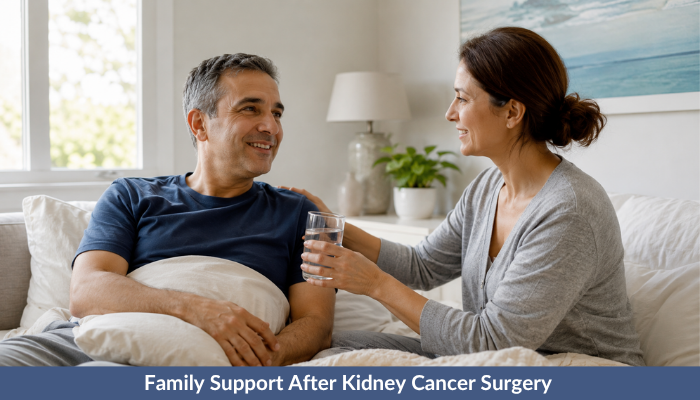
Help the patient rest adequately, monitor the surgical site for signs of infection, and follow the surgeon’s instructions on activity limits. Robotic partial or radical nephrectomy, a technique used by specialists like Dr. Anup Ramani, typically allows a faster recovery than open kidney cancer surgery, but family support during the first weeks still matters greatly.
What dietary changes are recommended after kidney cancer surgery?
A balanced diet with controlled salt and protein intake, guided by the treating doctor, supports remaining kidney function. Adequate hydration is also important unless the doctor advises otherwise.
How can families monitor kidney health during cancer recovery?
Keep track of urine output, blood pressure readings if advised, and attend all scheduled blood tests. Report any unusual swelling, reduced urination, or fatigue to the treatment team promptly.
What activities should be avoided after kidney cancer surgery?
Heavy lifting, strenuous exercise, and contact sports should be avoided until the surgeon confirms full healing, since the kidney area needs time to recover after cancer surgery.
Supporting a Patient Through Urinary Bladder Cancer
How can family members help patients with urinary bladder cancer?
Support the patient through diagnostic procedures, help manage anxiety around test results, and assist with practical needs during treatments such as TURBT or robotic radical cystectomy for bladder cancer.
How should families care for someone with a urinary catheter after bladder cancer surgery?
Follow the care team’s instructions on hygiene, keep the drainage bag positioned correctly, and watch for signs of infection such as fever or cloudy, foul smelling urine. Ask the surgical team for a clear demonstration before discharge.
How can families support patients living with a urinary diversion or stoma after bladder cancer surgery?
Learn stoma care together with the patient, be patient during the adjustment period, and connect with stoma care nurses or support groups. Reassurance and normalization of the new routine help the patient regain confidence after bladder cancer treatment.
Supporting a Patient Through Testicular Cancer
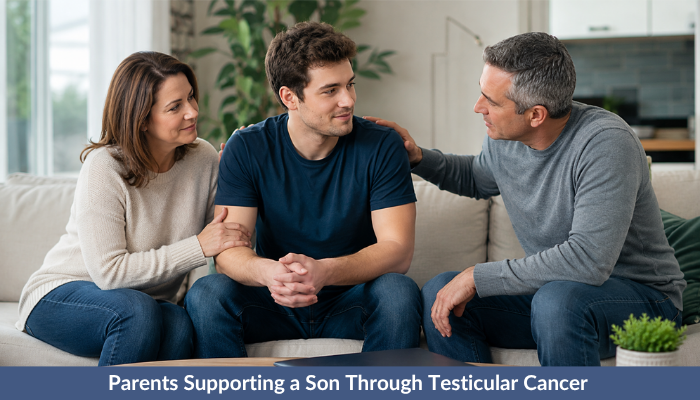
How can parents support a son diagnosed with testicular cancer?
Since testicular cancer often affects younger men, parents can help by normalizing conversations about the diagnosis, supporting fertility discussions before treatment, and encouraging open communication instead of silence.
How should families discuss fertility concerns related to testicular cancer?
Encourage the patient to discuss sperm banking and fertility preservation with the treatment team before surgery or chemotherapy begins, since this is time sensitive and best addressed early in the testicular cancer journey.
How can families help young patients return to normal life after testicular cancer treatment?
Support a gradual return to work, sport, and social activities, and encourage regular follow up scans, since testicular cancer has a strong long term survival rate with proper monitoring.
Supporting a Patient Through Penile Cancer
How can family members emotionally support someone with penile cancer?
Penile cancer carries significant emotional and social stigma, so patience, privacy, and reassurance from family are essential. Avoid judgment and focus on supporting the patient’s treatment and recovery.
How should partners discuss intimacy after penile cancer treatment?
Open, compassionate conversation about physical changes helps couples adapt together. Organ preserving surgical techniques, which specialists such as Dr. Anup Ramani use for penile cancer where the diagnosis allows, are specifically designed to protect as much function as possible.
How can families reduce embarrassment and stigma around penile cancer?
Treat penile cancer like any other cancer diagnosis requiring medical care, avoid whispered conversations, and support the patient in seeking timely treatment rather than delaying out of embarrassment, since early treatment improves outcomes significantly.
What Our Patients Are Saying
How Dr. Anup Ramani Can Help with Cancer Surgery and Treatment
Families supporting a loved one through prostate, kidney, urinary bladder, testicular, or penile cancer often look for a surgeon who combines advanced technical skill with clear communication. Dr. Anup Ramani is a Mumbai based uro oncologist and robotic cancer surgeon with over two decades of experience and thousands of robotic procedures across these cancer types. His practice focuses on minimally invasive robotic cancer surgery, which for many patients means smaller incisions, reduced blood loss, and a faster return to daily life compared to open surgery.
For families, a few aspects of his practice are especially relevant during the cancer journey. Consultations typically run long enough to explain the diagnosis and every treatment option in detail, which helps families ask questions and make informed decisions together with the patient. His team provides structured support for patients traveling from other cities or countries for cancer surgery, including help with appointment scheduling, hospital admission, accommodation guidance, and fitness certificates for travel after recovery. Post surgery, his clinic offers home visits for procedures like stitch removal and catheter care, along with a 24 hour contact number, which gives families reassurance during the sensitive recovery period after cancer surgery.
Because surgical outcomes in urological cancers are closely linked to the individual surgeon’s experience and case volume, families researching cancer surgery options for prostate, kidney, bladder, testicular, or penile cancer may find it useful to consult a specialist with a high volume of robotic cancer procedures, such as Dr. Anup Ramani, alongside their existing oncology team.
Recovery After Cancer Treatment
How can families help a patient after cancer treatment ends?
Support the transition from active treatment to survivorship by encouraging regular follow up scans, helping rebuild physical strength gradually, and being patient with lingering fatigue or emotional adjustment even after successful cancer treatment.
How can cancer patients regain confidence after treatment?
Celebrating physical progress, encouraging a gradual return to hobbies and work, and connecting with cancer survivor communities all help rebuild confidence after treatment ends.
What follow up care should families never miss after cancer treatment?
Scheduled scans, blood tests, and surgical follow up visits are essential for catching any recurrence early. Families can help by maintaining a shared calendar of these appointments.
How can healthy habits reduce cancer recurrence risk?
A balanced diet, regular physical activity, avoiding tobacco and excess alcohol, and maintaining a healthy weight are all associated with lower recurrence risk for many cancers. These habits work best as a shared family effort rather than a solo responsibility for the patient.
How can families encourage physical activity safely after cancer surgery or treatment?
Start with short, gentle walks and increase activity gradually under the guidance of the treatment team. Physical therapy referrals are often helpful after major cancer surgery to rebuild strength safely.
Long Term Survivorship After Cancer
How can families help cancer survivors return to work?
Support a gradual, flexible return, communicate openly with employers about any needed accommodations, and respect the survivor’s pace as they rebuild stamina and confidence.
How can families support long term physical recovery from cancer?
Continue encouraging balanced nutrition, regular activity, and attendance at follow up visits well beyond the initial treatment period, since full recovery from cancer can take months to years.
How can relationships become stronger after a cancer diagnosis?
Many families report deeper communication and appreciation for one another after navigating a cancer journey together. Shared challenges, when faced as a team, often build lasting resilience.
How can families celebrate cancer recovery milestones?
Mark anniversaries of completing treatment, clear scan results, or surgical recovery with meaningful, low pressure gestures that honor the patient’s journey without overwhelming them.
How can family support improve long term quality of life for cancer patients?
Consistent emotional presence, practical help with follow up care, and encouragement toward healthy habits all contribute to better long term physical and emotional outcomes after cancer.
Whichever cancer a family member is facing, the combination of a skilled surgical team and steady family support gives patients the best chance at a full recovery and a strong quality of life afterward.
Conclusion
Recovery from cancer surgery looks different for every patient, but across prostate, kidney, bladder, testicular, and penile cancer, the combination of an experienced surgical team and attentive family support consistently leads to better outcomes. Choosing a surgeon with deep experience in robotic cancer surgery, paired with a strong support system at home, gives patients the best chance at both physical recovery and long term quality of life. As cancer patients move from treatment into survivorship, continued family involvement remains just as important as it was on the day of diagnosis.
Note: This article is for general education about cancer surgery, treatment, and family support, and does not replace medical advice. For diagnosis and treatment of prostate, kidney, urinary bladder, testicular, or penile cancer, consult a qualified oncologist or cancer surgeon directly.
About Author

Uro-Oncological & Robotic Surgeon
Dr. Anup Ramani is a robotic uro-oncological surgeon and an internationally recognized expert in robotic surgery for prostate, kidney and urinary bladder cancers. With more than two decades of robotic experience and 2,000+ robotic procedures, he brings unmatched precision and outcomes to complex uro-oncology cases. He is widely published in his field and is known for a personal, transparent approach-often spending over an hour in initial consultations to educate patients on its disease, surgery and recovery. His expertise spans prostate cancer treatment, kidney and bladder cancer surgery, adrenal gland surgery, kidney stone treatment, penile cancer surgery and enlarged prostate management. Dr. Ramani advocates the advantages of robotic surgery-magnified 3D vision, tremor-filtered precision, minimal scarring, lower blood loss and faster recovery-helping patients return to life sooner.

Best Uro-Oncological surgeon
Specialist in India for Robotic Surgery
MCh, DNB, MS, DNB
Dr. Anup Ramani
CONTACT
Uro-Oncologist in India,
Best Robotic Surgeon for Uro Oncology Surgery
1407, One Lodha Place Next to World Towers Senapati Bapat Marg, Worli, Mumbai. 400013.
Dr Anup Ramani @ Copyright 2024 – Website Maintenance, SEO & GEO by Opal Infotech
- Partial penectomy is done in cases where glans and distal penis is involved with carcinoma.
- Partial penectomy is a type of organ-preserving surgery. Preservation of sexual and micturational function depends on the surgical dissection and reconstruction of residual urethra.
- Patients who develop stones in the kidney or ureter, often experience severe pain.
- This condition usually needs a procedure to remove the kidney stones.
- This procedure is called ureteroscopy and is performed very commonly.
- It does not require any cuts and hence it is painless.
- The procedure is performed with an endoscope inserted through the penis under spinal anesthesia.
- The scope is inserted through the penis into the kidney and stones are dissolved with a laser.
- The procedure takes about 40-50 minutes.
- A catheter (urine pipe) is kept after the procedure to drain the bladder. A stent is kept in the kidney at the same time.
- Patient is mobile and walking in the room the same evening.
- Hospital stay is one night and patient is discharged the next day after removal of the catheter.
- Patient has to come back after six weeks to remove the stent in the kidney.
- Patients can resume office a week after surgery and heavy activities like running, weight lifting, a month after the procedure.
- We offer fixed packages for this procedure which can be obtained by calling our helpline +91 9967666060.
- Men with an enlarged prostate, which is a normal ageing changes, often experiencing difficulty passing urine. This condition usually needs a procedure to trim the prostate and relieve the blockage.
- This procedure is called TURP and is performed very commonly.
- It does not require any cuts and hence it is painless.
- The procedure is performed with an endoscope inserted through the penis under spinal anaesthesia.
- The overgrown prostate is dissolved with a laser bloodlessly.
- The procedure takes about 40 minutes.
- A catheter (urine pipe) is kept after the procedure to drain the bladder.
- Patient is mobile and walking in the room the same evening.
- Hospital stay is two nights and patient is discharged with the catheter, which is removed after 4 days.
- Patients can resume office a week after surgery and heavy activities like running, weight lifting, a month after the procedure.
- We offer fixed packages for this procedure which can be obtained by calling our helpline +91 9967666060.
-
Robotic adrenalectomy is a sophisticated, complex surgery and it is very important that an experienced surgeon performs this surgery to avoid major complications.
-
Once the anesthesia is done, and patient positioned, three micro cuts (3mm each) are made in the patient’s abdomen.
-
The arms of the Da Vinci robot are connected to the cuts via ports (tubes).
-
Dr. Ramani then sits in the controlling console to perform the surgery.
-
On an average, a robotic adrenalectomy takes one hour.
-
The surgery is almost completely bloodless and there has never been any need to transfuse blood after surgery.
-
A urine catheter and bag to drain the bladder is inserted during surgery.
-
A tiny drain pipe may be inserted in the surgical side of the abdomen, connected to a bag.
-
Patient is kept nil-by-mouth the day of the surgery, with IV fluids. Sips of water are started the next day and solid food by day three.
-
The drain pipe, if kept, is removed in the room on day 2 after surgery.
-
The catheter is removed on day two after surgery.
-
Total hospital stay for robotic adrenalectomy is 4 nights (including night before surgery).
-
Post discharge, a doctor from the surgical team visits the patient at home/ hotel room once every day.
On the day of discharge, patient is totally self-sufficient. They are able to walk freely without any pain, dress themselves, shower, toilet and they do not need to hire any nurse or help at home. Almost all patients are back to work within 2 weeks of surgery.
Heavy activities like running, weight lifting can be resumed after a month
Follow up after an adrenalectomy is in the form of CT scans, once a year for 5 years.
Local patients usually meet Dr. Ramani after two weeks to discuss report.Outstation patients are counselled on a phone consultation.
- Dr. Ramani is one of the very few surgeons in India who has the expertise to perform a robotic surgery for bladder cancer, which includes removing the urinary bladder and reconstructing a new bladder robotically.
- Robotic radical cystectomy is an extremely sophisticated, complex surgery and it is very important that an experienced surgeon performs this surgery to avoid major complications.
- Once the anaesthesia is done, and patient positioned, six micro cuts (3mm each) are made in the patient’s abdomen.
- The arms of the Da Vinci robot are connected to the cuts via ports (tubes).
- Dr. Ramani then sits in the controlling console to perform the surgery.
- On an average, a robotic radical cystectomy with an ileal conduit takes 3-4 hours.
- The surgery is almost completely bloodless and there has never been any need to transfuse blood after surgery.
- A urine catheter and bag to drain the new bladder is inserted during surgery.
- Two tiny drain pipe in inserted in the surgical side of the abdomen, connected to a bag.
- Patient is kept nil-by-mouth for 4 days after surgery with IV supplementation of patient’s daily requirements of calories, fats, carbohydrates, proteins and electrolytes.
- The drain pipes are removed in the room on day 3-5 after surgery.
- Total hospital stay for radical cystectomy is 8 nights (including night before surgery).
- Post discharge, a doctor from the surgical team visits the patient at home/ hotel room once every day.
- On the day of discharge, patient is totally self-sufficient. They are able to walk freely without any pain, dress themselves, shower, toilet and they do not need to hire any nurse or help at home.
- Almost all patients are back to work within 6 weeks of surgery. Heavy activities like running, weight lifting can be resumed after two months.
Follow up after a radical a cystectomy is in the form of CT scans, once a year for 5 years.
Histopathology report: Local patients usually meet Dr. Ramani after two weeks to discuss report.
Outstation patients are counselled on a phone consult. Depending on the report, patient may or may not need chemotherapy after surgery.
If chemo is needed, patients may choose to get it done with a medical oncologist of their choice or avail the services of one of the four medical oncologists on our team.
- Robotic partial nephrectomy is a sophisticated, complex surgery and it is very important that an experienced surgeon performs this surgery to avoid major complications. Robotic radical (total) nephrectomy is
- relatively easier but still requires significant experience to consistently deliver results.
- Once the anaesthesia is done, and patient positioned, five micro cuts (3mm each) are made in the patient’s abdomen.
- The arms of the Da Vinci robot are connected to the cuts via ports (tubes).
- Dr. Ramani then sits in the controlling console to perform the surgery.
- On an average, a robotic radical nephrectomy takes one hour and a robotic partial nephrectomy takes about an hour and half.
- The surgery is almost completely bloodless and there has never been any need to transfuse blood after surgery.
- A urine catheter and bag to drain the bladder is inserted during surgery.
- A tiny drain pipe in inserted in the surgical side of the abdomen, connected to a bag.
- Patient is kept nil-by-mouth the day of the surgery, with IV fluids. Sips of water are started the next day and solid food by day three.
- The drain pipe is removed in the room on day 3 after surgery. The catheter is removed on day two after surgery.
- Total hospital stay for radical/partial nephrectomy is 4 nights (including night before surgery).
- Post discharge, a doctor from the surgical team visits the patient at home/ hotel room once every day.
- On the day of discharge, patient is totally self- sufficient.
- They are able to walk freely without any pain, dress themselves, shower, toilet and they do not need to hire any nurse or help at home.
- Almost all patients are back to work within 2-3 weeks of surgery.
- Heavy activities like running, weight lifting can be resumed after a month.
- Follow up after a radical/partial Nephrectomy is in the form of CT scans, once a year for 5 years.
- Local patients usually meet Dr. Ramani after two weeks to discuss report.
- Outstation patients are counselled on a phone consultation.